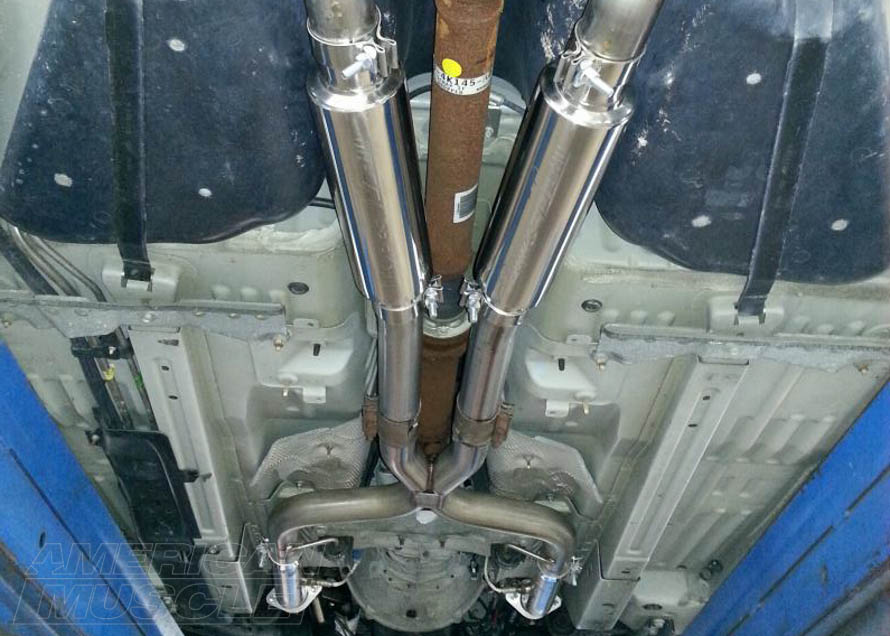
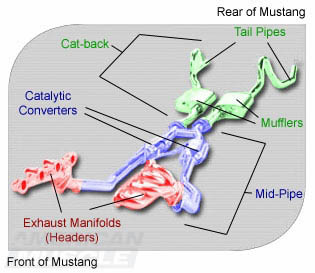
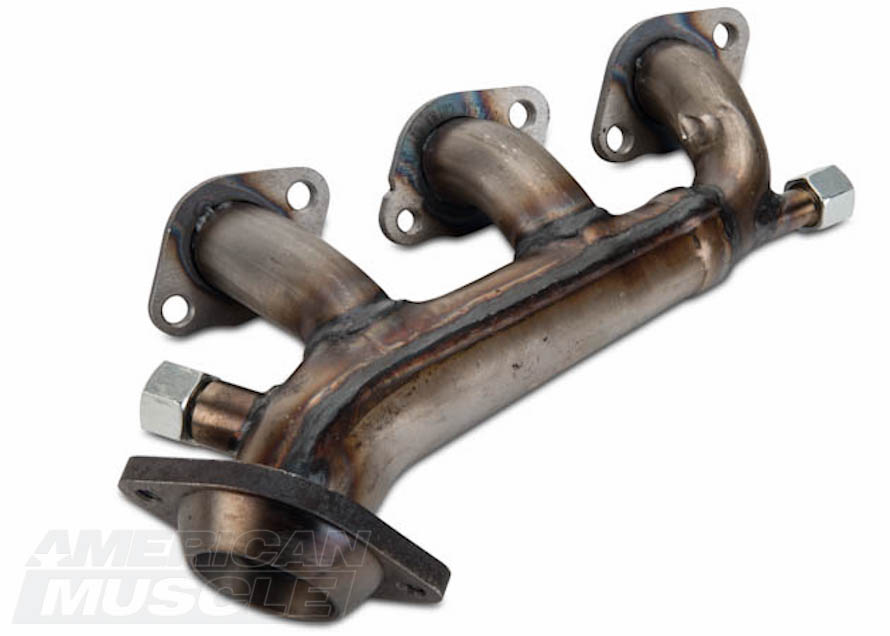
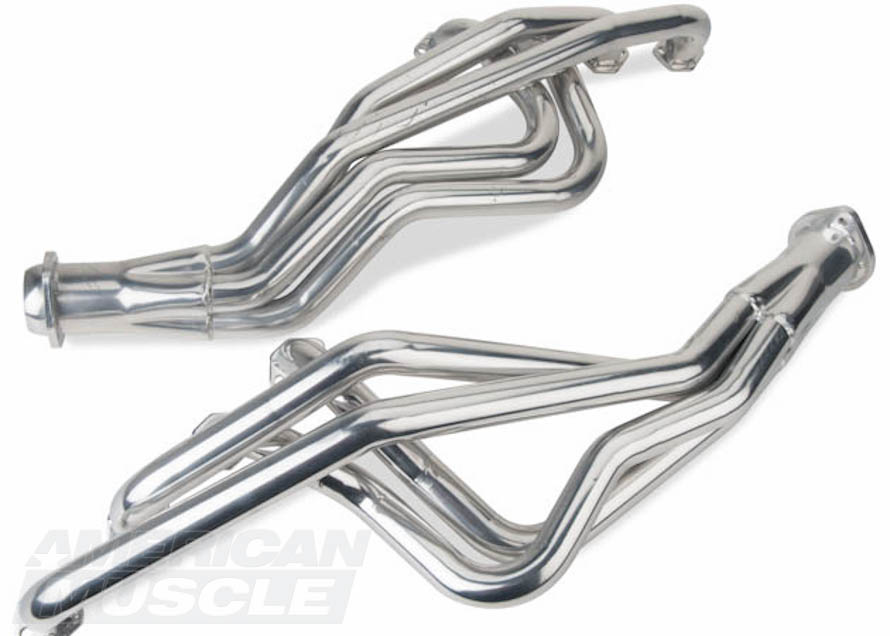
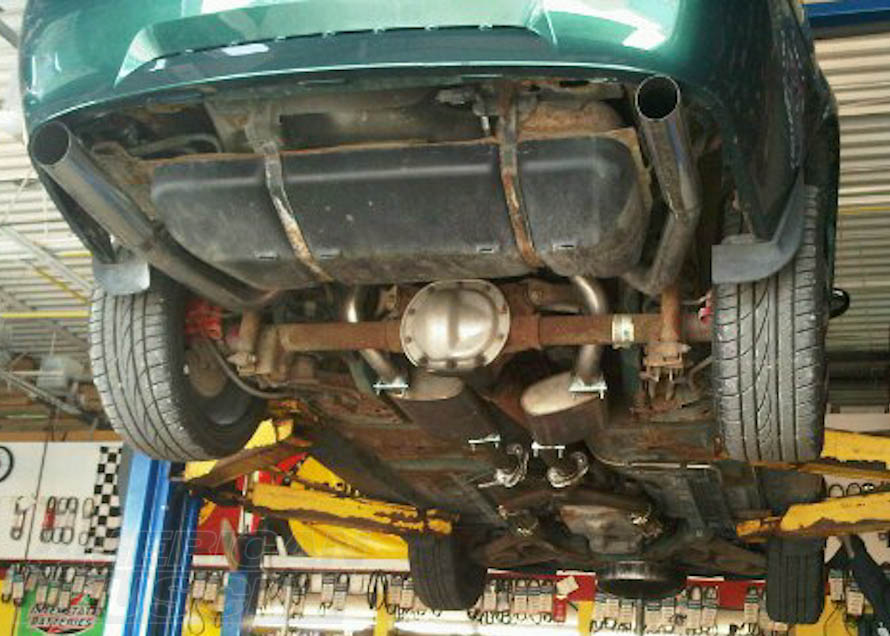
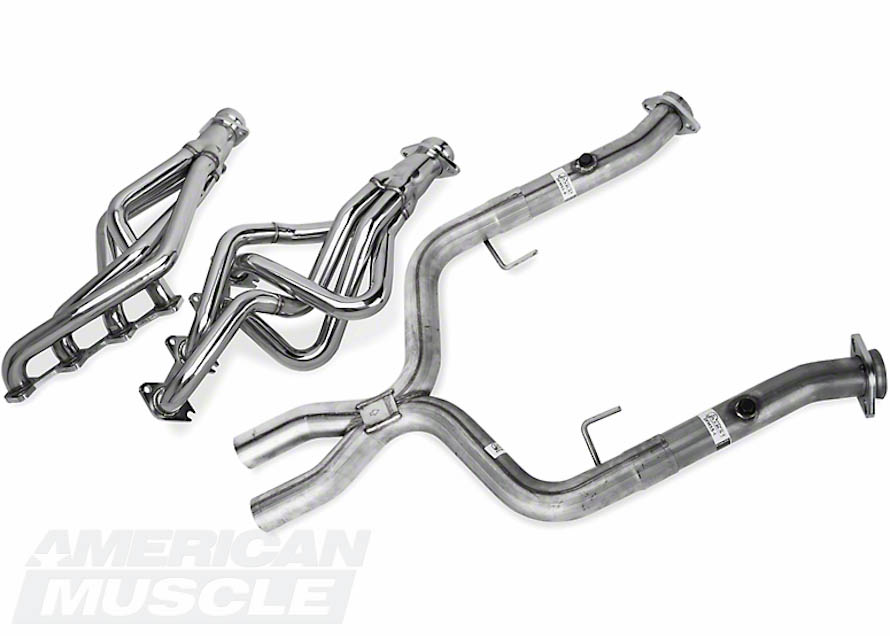
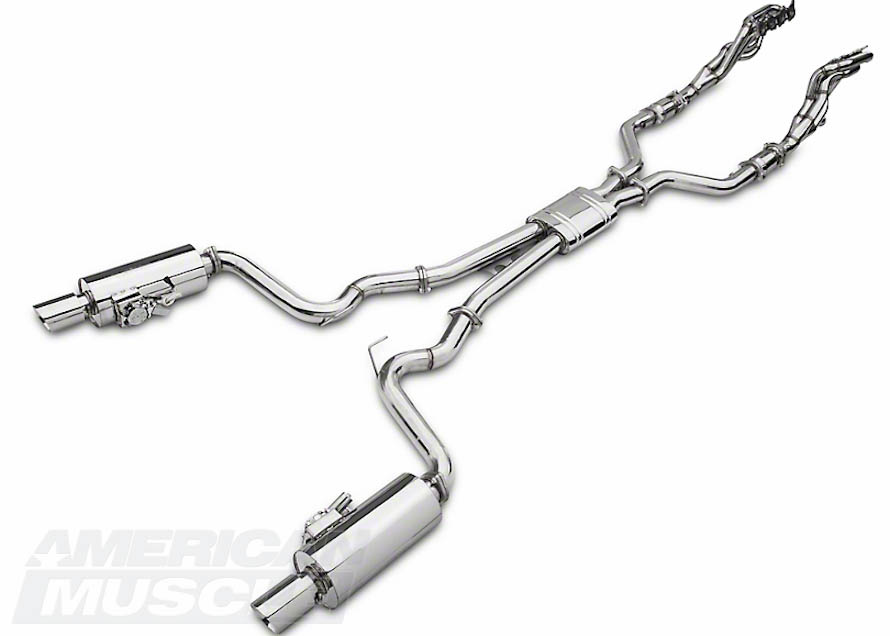
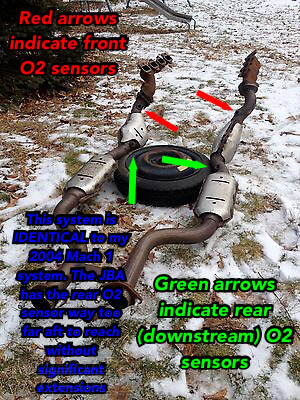
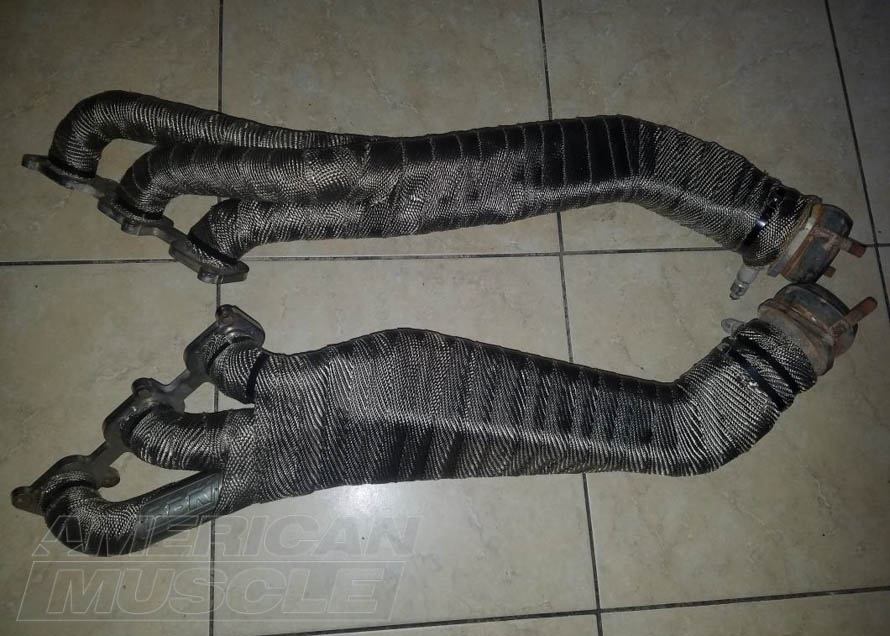
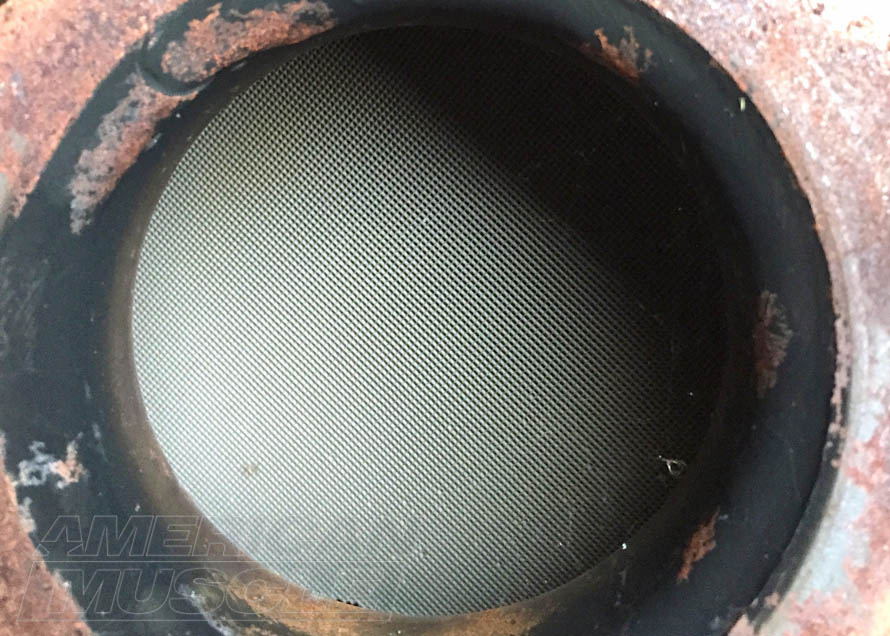
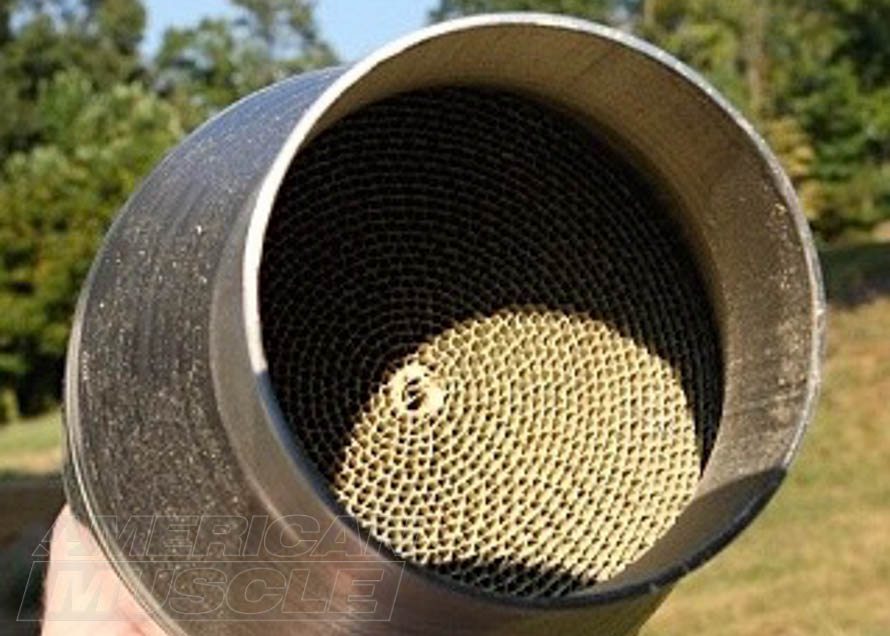
Catalytic converters have been equipped on all new cars in the United States since the 1975 model year to comply with U.S. Environmental Protection Agency regulations on automobile exhaust emissions. Their purpose is to convert the toxic byproducts of the internal combustion engine, exhaust gases, into less toxic substances by way of a catalyzed chemical reaction for release back into the atmosphere. Catalytic converters or “cats” look like small mufflers and are normally located directly after the exhaust manifolds (a.k.a. headers).
After combustion, the main remaining products are carbon dioxide, nitrogen, water (vapor), carbon monoxide, hydrocarbon compounds, and nitrogen oxide(s). The first 3 – nitrogen, carbon dioxide and water vapor – are harmless (well, we are aware of the potential environmental effects of CO2). It is the last 3 products that pose health risks. Thus, it is the job of the catalytic converts to take carbon monoxide, hydrocarbon compounds, and nitrogen oxide in, and turn them into something else. After passing through a properly functioning catalytic converter, carbon monoxide, and hydrocarbons will be turned into carbon dioxide, and the nitrogen oxides (NO and NO2) will be ripped of their nitrogen atoms and released as nitrogen gas. So, if we were to analyze what is coming out of the tailpipes, all we should mainly see is carbon dioxide, water vapor, and nitrogen gas.
Just to clarify (and without going too deep into the chemistry of it), don’t think that any elements mysteriously disappear inside the catalytic converter. Rather, the elements are just rearranged (by interacting with specific chemicals contained in the converter) into less damaging by-products (carbon monoxide becomes carbon dioxide by attaching another oxygen atom)
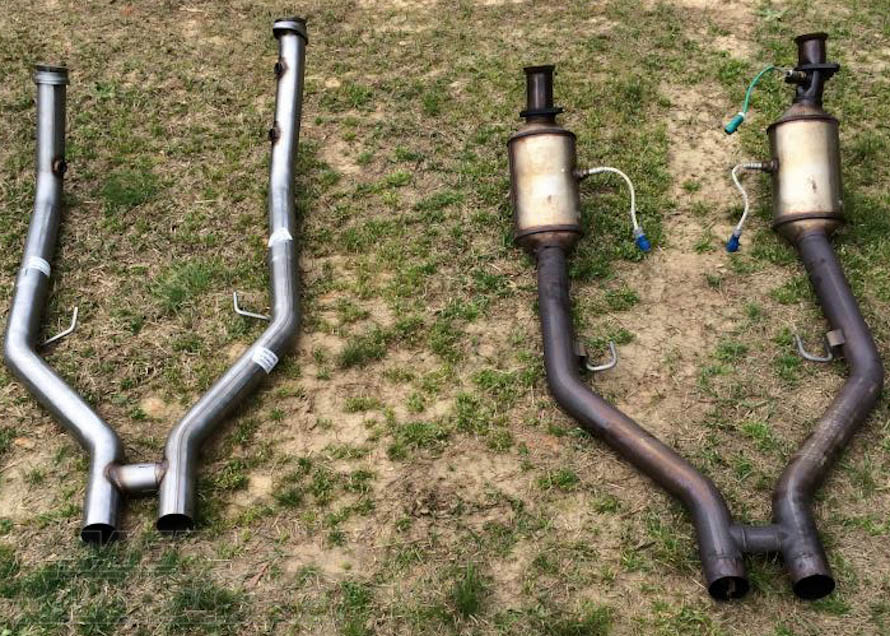
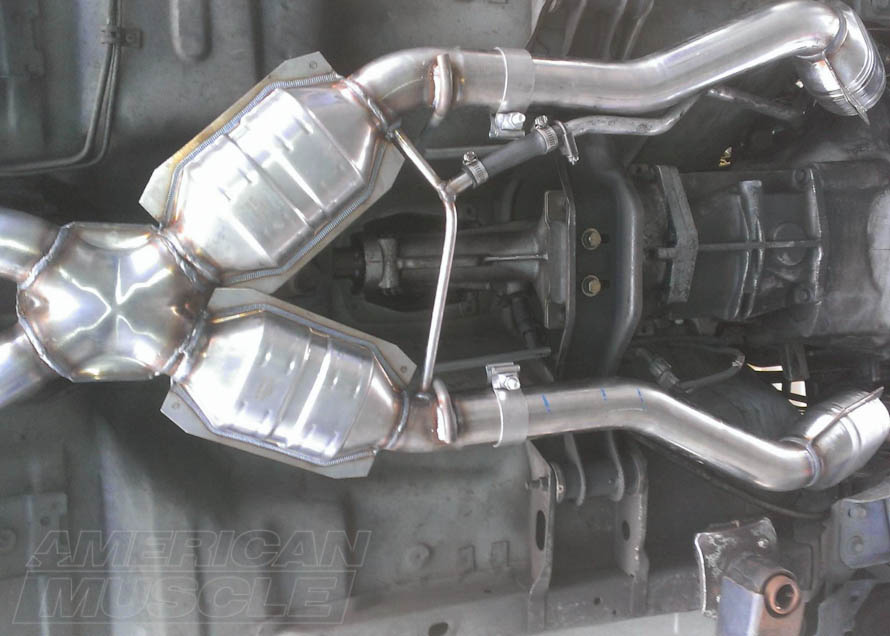
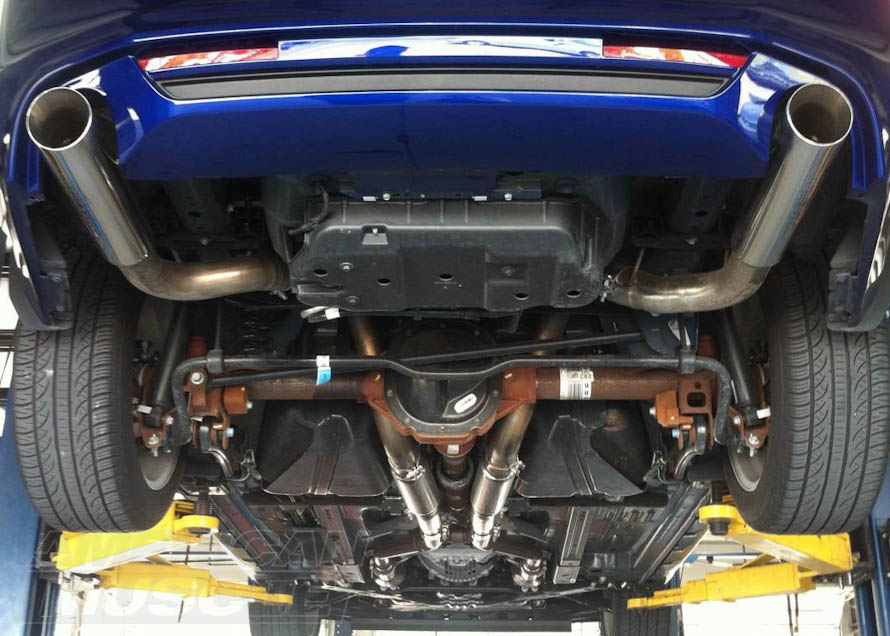
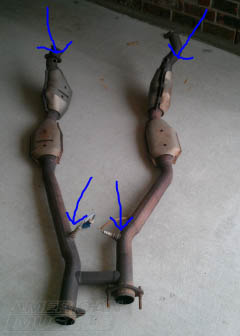
All new cars come with catalytic converters. The cats are located on the mid-pipe, and depending on the year of your Mustang you could have up to 4 cats. The more cats you have, the more restricted your exhaust flow will be. Aftermarket companies offer high flow catalytic converters for people who wish to increase their exhaust flow, while keeping their exhaust note more tame, and reducing the raw fuel smell typical of an off-road system. Most aftermarket cats will pass emissions testing. In California, you will want to make sure you have a CARB approved converter.
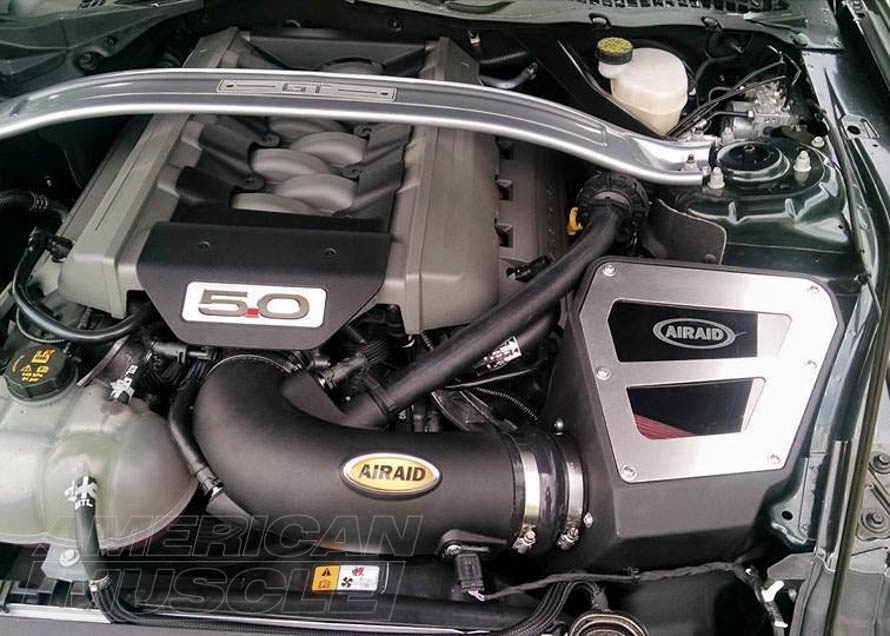
In the older days when converters were newer to the market, they did indeed rob cars of a good chunk of horsepower. However, in more modern times, they have become more efficient and hardly rob power in smaller HP circumstances (<500). The gains are minimal from removing and not truly needed unless you’re building a full out drag or race car. Much like a cold air intake, you might notice a bump in power, but don't expect a game changer.
- Catalytic converters change harmful engine emissions into less harmful emissions before shooting them out the tailpipe
- With older muscle cars, it is common to remove or replace the stock catalytic converters to increase horsepower
- High-flow catalytic converters reduce harmful emissions while decreasing resistance and increasing lost horsepower