Ever fire up your Charger in the morning and wish the exhaust note actually matched the muscle under the hood? Or maybe you've been eyeing that Scat Pack in the parking lot, wondering how its owner got that deep, aggressive rumble that turns heads from a block away?
You're not alone. An exhaust upgrade is one of the most popular first modifications for Dodge Charger owners, and for good reason: it transforms the way your car sounds, can add measurable horsepower, and completely changes the driving experience. But with dozens of brands, three main system types, and four different Charger engine platforms to consider, picking the right setup can feel overwhelming.
This guide breaks down everything you need to know about upgrading your Charger exhaust. You'll learn the difference between cat-back, axle-back, and header upgrades, get trim-specific recommendations for the 5.7L HEMI, 6.4L HEMI, 3.6L V6, and 6.2L Hellcat, and walk away knowing exactly which system fits your budget, your sound preference, and your build goals. Whether you're a daily driver looking for a little more rumble or a track builder chasing every last pony, this is the definitive Charger exhaust buying guide.
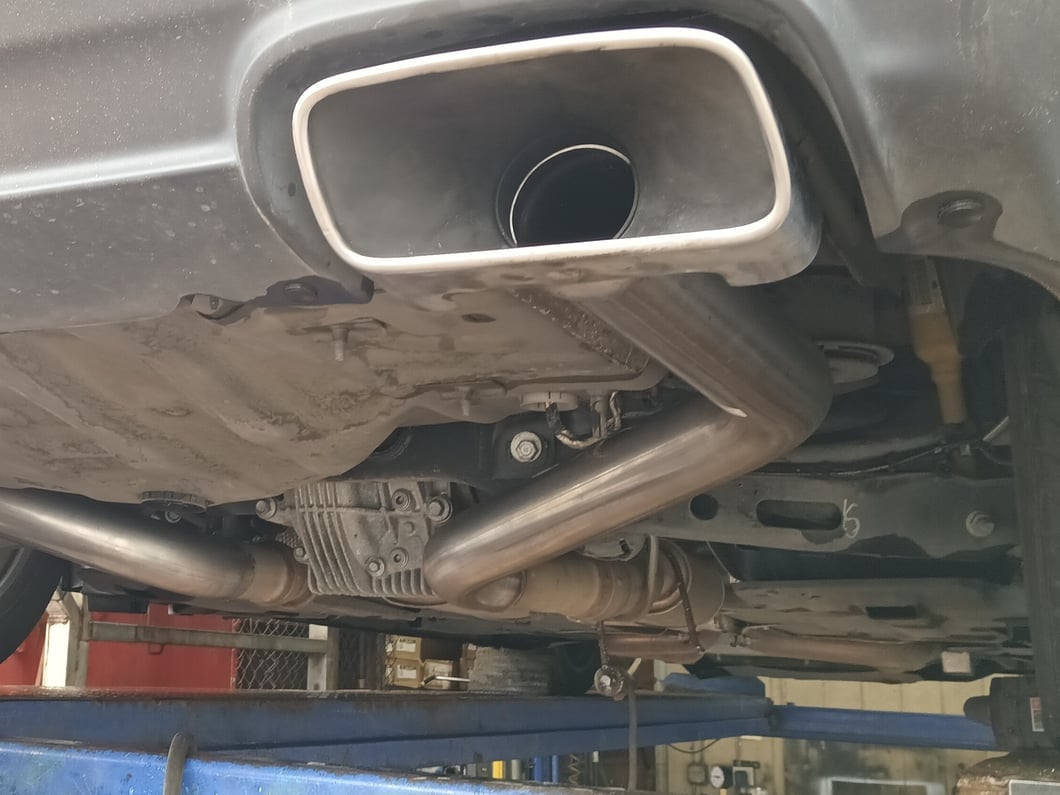
How Your Charger's Exhaust System Works
A Dodge Charger exhaust system channels combustion gases from the engine through several connected components, reducing noise and emissions while directing fumes away from the cabin. Understanding what each piece does helps you figure out which parts to upgrade and why.
Here's how exhaust gases travel through your Charger, from engine to tailpipe:
Exhaust manifolds (or headers) bolt directly to the cylinder heads and collect hot exhaust gases from each cylinder. Your stock Charger uses cast-iron manifolds designed for durability and cost, but they create restriction that limits exhaust flow. Aftermarket headers use mandrel-bent tubing with smoother, larger-diameter runners (typically 1.75 to 1.875 inches for the 5.7L HEMI) to reduce backpressure and free up horsepower.
Catalytic converters sit downstream of the manifolds and use a ceramic honeycomb coated in precious metals (platinum, palladium, rhodium) to convert harmful gases like carbon monoxide and hydrocarbons into less toxic emissions. Your Charger has two catalytic converters, one for each bank of cylinders. These are federally regulated components and must remain in place for street-legal vehicles.
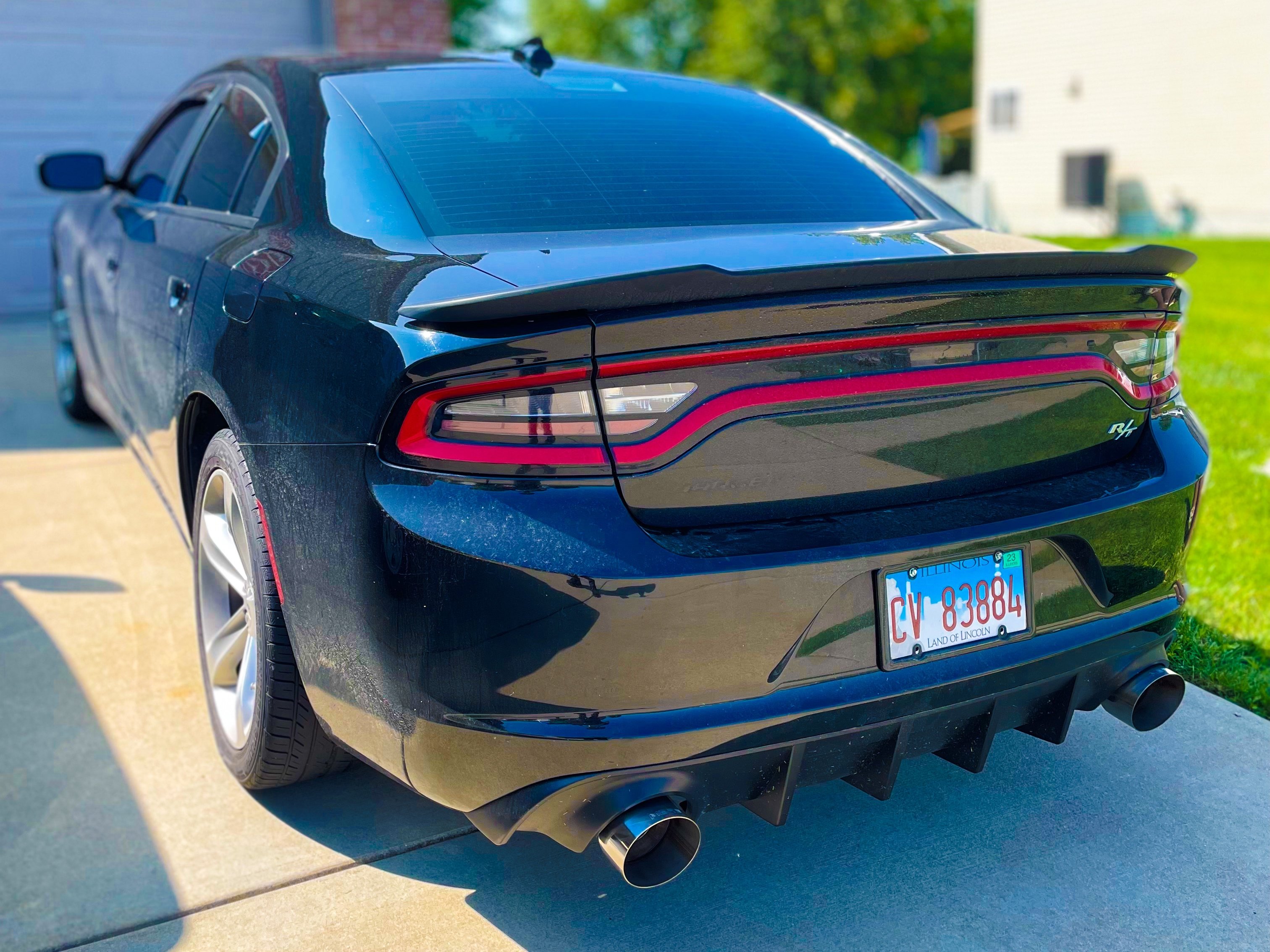
Mid-pipe (or resonator pipe) connects the catalytic converters to the rear section of the exhaust. This section often includes a resonator, a straight-through chamber that cancels specific sound frequencies to reduce drone (that annoying low-frequency hum at highway cruising speeds, typically between 1,800 and 2,200 RPM). Upgrading the mid-pipe to an H-pipe or X-pipe design changes the exhaust tone and can improve flow.
Mufflers are the primary sound-control components. Stock Charger mufflers use restrictive internal baffles and chambers to keep noise levels within factory specifications. Aftermarket performance mufflers use less restrictive designs, straight-through perforated cores, or chambered layouts to let more sound through while still managing tone. The muffler design is the single biggest factor in your exhaust sound character.
Tailpipes and tips are the final stretch, routing exhaust out the rear of the car. Stock tips are usually modest in size. Aftermarket systems often include larger-diameter tips (3.5 to 4.5 inches) in polished stainless, black coated, or carbon fiber finishes for a more aggressive look.
The key concept behind every exhaust upgrade is backpressure: the resistance that exhaust gases encounter as they travel through the system. Stock exhaust systems are engineered with relatively high backpressure to prioritize noise reduction and emissions compliance. Reducing backpressure with larger-diameter tubing, freer-flowing mufflers, and smoother bends lets your engine breathe out more efficiently, which translates to more horsepower and torque, especially in the mid-range and top end of the powerband.
Types of Dodge Charger Exhaust Upgrades
There are four main categories of Charger exhaust upgrades, each targeting a different section of the system and delivering different results. Here's what each one does, what it costs, and who it's best for.
Cat-Back Exhaust Systems
A cat-back exhaust replaces everything from the catalytic converter back to the tailpipe, including the mid-pipe, resonator, muffler, and tips. It is the most popular exhaust upgrade for the Dodge Charger because it delivers the best balance of improved sound, measurable power gains (typically 5 to 20 HP depending on engine size and system design), and straightforward bolt-on installation.
Cat-back systems work so well because they address the most restrictive sections of the stock exhaust in one package. By replacing the factory mid-pipe and muffler with larger-diameter mandrel-bent tubing (2.5 to 3.0 inches for the 5.7L HEMI, 2.75 to 3.0 inches for the 6.4L), you reduce backpressure across the entire rear half of the exhaust. The result is a noticeable bump in horsepower and torque, a significantly improved exhaust note, and often a more aggressive rear-end appearance with upgraded tips.
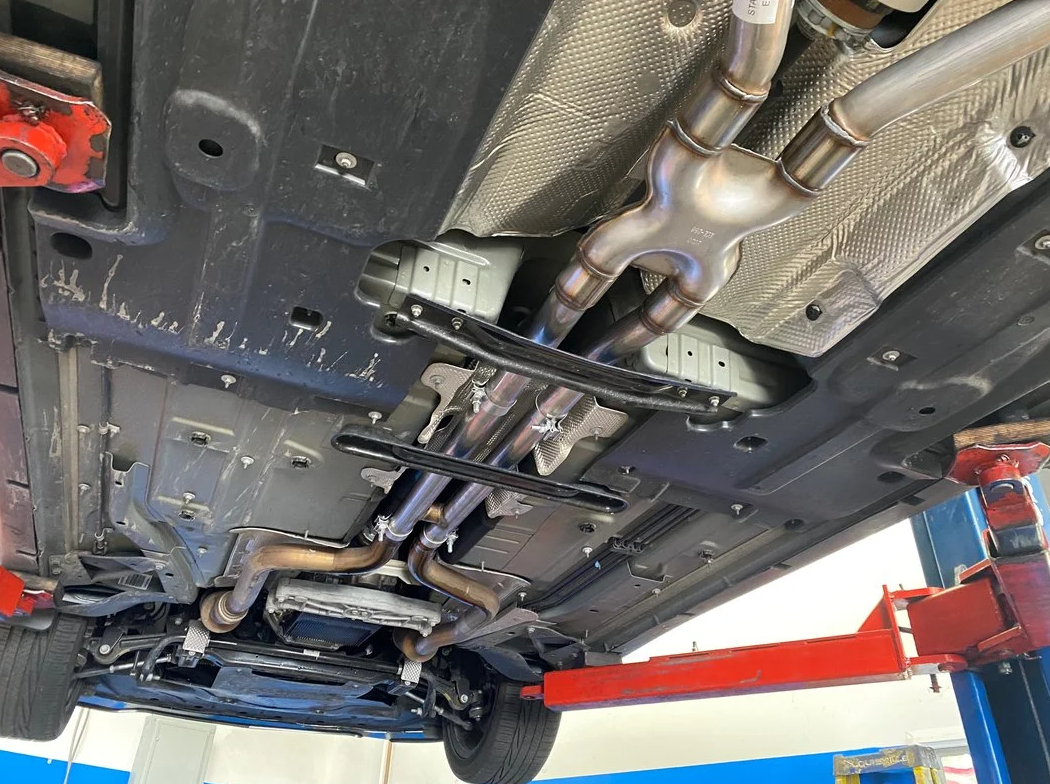
Most cat-back exhaust systems for the Charger are designed for bolt-on installation using factory hanger locations and clamp connections, meaning you can install one in your driveway with basic hand tools and a jack in about two to three hours. No cutting or welding required.
Sound character varies by brand and design:
- Moderate sound: Corsa Sport uses their patented Reflective Sound Cancellation (RSC) technology to deliver a refined, deep tone under acceleration with virtually zero cabin drone at cruise. MagnaFlow Street Series offers a smooth, mellow tone that won't fatigue you on long highway drives.
- Aggressive sound: Borla ATAK produces a loud, deep, unmistakable V8 bark that announces your presence. Flowmaster American Thunder delivers that classic American muscle rumble with a chambered muffler design. Corsa Xtreme is the louder sibling to the Sport, with a more pronounced, raspy tone under hard throttle.
Cat-back systems typically range from $500 to $1,500 depending on brand, material, and tip configuration. They're the sweet spot for most Charger owners who want a noticeable upgrade in both sound and performance without a complicated installation.
Axle-Back Exhaust Systems
An axle-back exhaust replaces only the components behind the rear axle, primarily the mufflers, tailpipes, and tips. It is the most affordable and easiest exhaust upgrade for the Dodge Charger, making it ideal for owners who want a better exhaust note without chasing significant horsepower gains.
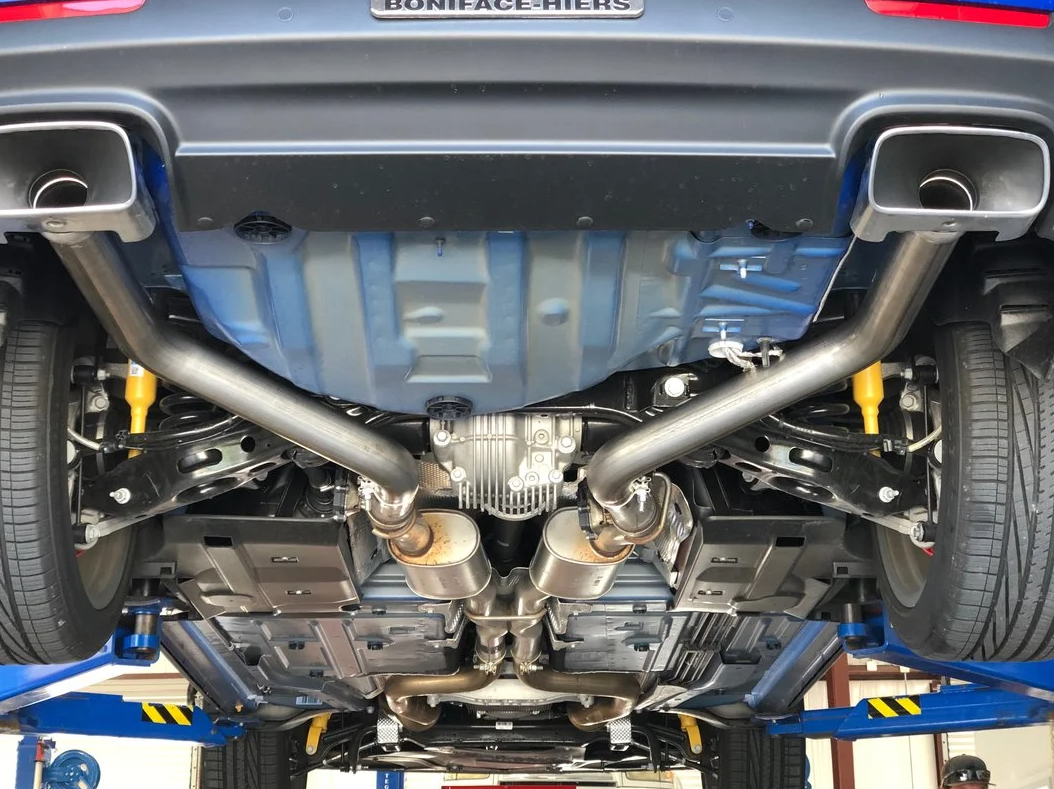
Because an axle-back only swaps out the rear muffler section, it won't dramatically change exhaust flow or backpressure the way a full cat-back does. What it will do is transform the sound. Removing the stock mufflers and replacing them with performance units lets the engine's natural tone come through, giving your Charger a deeper, more muscular voice without the cost of a full system.
Axle-back exhaust systems are the best starting point for:
- Daily drivers who want improved sound without an extreme volume increase
- Budget builds looking for the biggest sound improvement per dollar spent
- Owners who plan to upgrade later and want a quick win now (you can always add headers and a mid-pipe down the road)
Top axle-back picks for the Charger:
- Corsa Performance Sport (Moderate): Clean, drone-free tone with RSC technology. Excellent for daily use.
- Pypes Pype-Bomb (Aggressive): Loud, raw, straight-through design that lets the HEMI roar. Budget-friendly price point.
- Flowmaster Force II (Moderate): Mild performance tone that adds character without being overwhelming in traffic or at idle.
Axle-back pricing typically runs from $200 to $600, and most systems install in under an hour with basic tools. It's the fastest, most affordable way to change your Charger's personality.
Headers and Mid-Pipes
If a cat-back or axle-back upgrade is the appetizer, Charger headers and mid-pipes are the main course for serious performance builds. These components address the most restrictive section of the factory exhaust: everything from the engine to the catalytic converters.
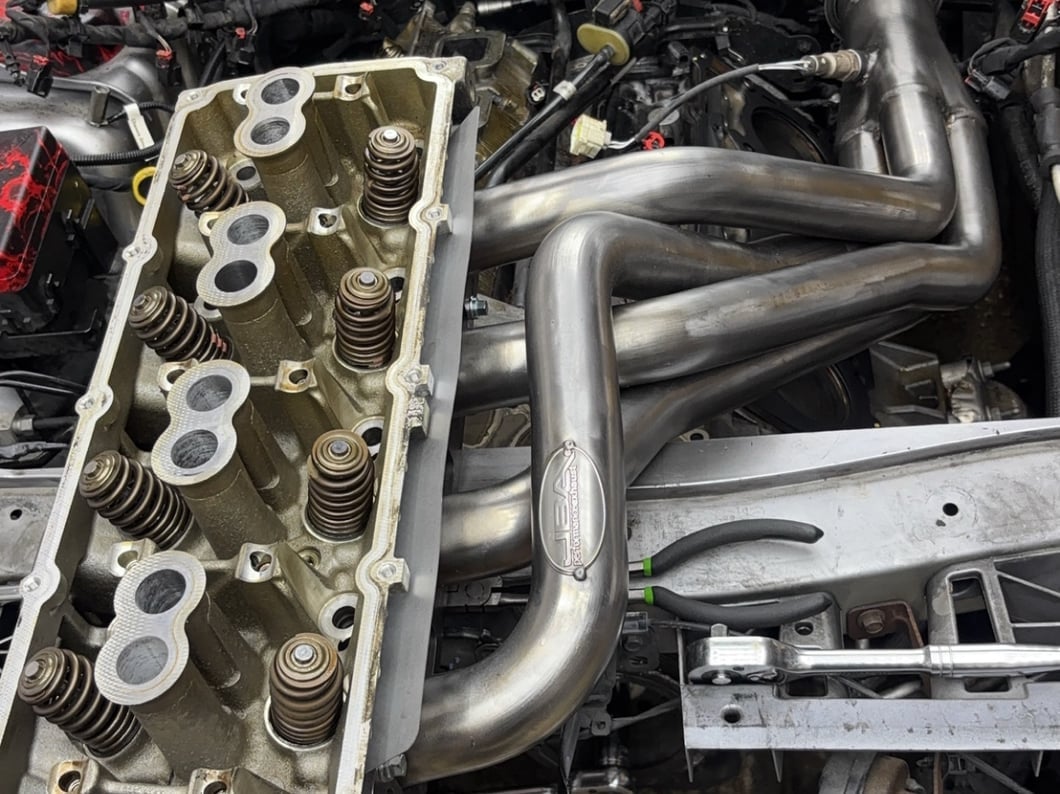
Long-tube headers replace the factory cast-iron exhaust manifolds with mandrel-bent stainless steel tubes that run from the cylinder heads all the way past the catalytic converter location. They provide the biggest performance gains of any single exhaust modification, typically adding 20 to 40 HP on a HEMI engine when paired with a proper tune. Long-tube headers work best on dedicated performance or track builds because installation is more involved (you'll need to remove the factory manifolds, which often means dropping the subframe) and they generally require a custom tune to avoid a check engine light.
Shorty headers (or shortie headers) replace the factory manifolds but retain the stock catalytic converter location. They're easier to install, usually don't trigger a check engine light, and still improve flow over the restrictive stock manifolds. The power gains are smaller than long-tubes (typically 8 to 15 HP) but they're a great option for street cars where emissions compliance matters.
Mid-pipe upgrades change the connection section between the headers/manifolds and the cat-back. The two main designs are:
- H-pipe: Connects the two exhaust banks with a perpendicular crossover tube. Produces a classic, deep, old-school muscle car rumble with more low-end grunt in the tone.
- X-pipe: Merges the two banks in an X-shaped crossover. Creates a higher-pitched, raspier, more exotic sound and can improve high-RPM power by balancing exhaust pulses between the two cylinder banks.
Headers and mid-pipes are best for owners who have already installed a cat-back or axle-back and want to maximize their exhaust system's performance. Pairing long-tube headers with a cat-back and a cold air intake is the classic "bolt-on trifecta" for HEMI Chargers chasing serious power on a budget.
Exhaust Tips
Exhaust tips are a purely aesthetic upgrade that changes the look of your exhaust outlets without affecting sound or performance. They slip over or clamp onto your existing tailpipe and come in a range of sizes, shapes, and finishes.
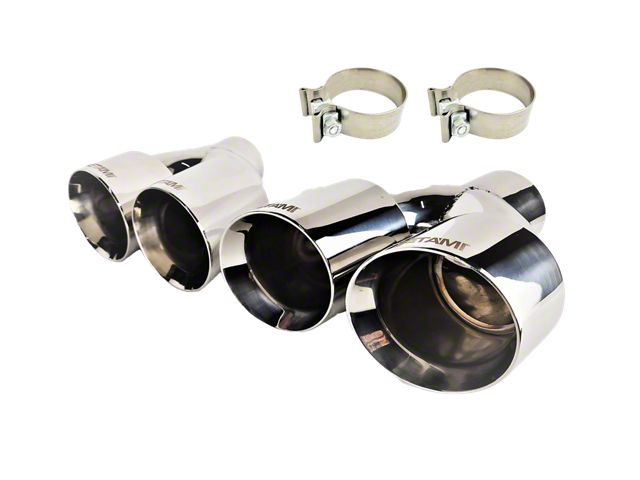
Common tip options for the Charger:
- Polished stainless steel: The classic look, pairs well with chrome trim and bright exterior colors
- Black coated (ceramic or powder coat): Aggressive, blacked-out appearance that matches Charger models with dark trim packages
- Carbon fiber: Lightweight, high-end look for premium and track-oriented builds
- Quad-tip configurations: Four individual tips (two per side) create a wider, more performance-oriented rear profile
Tip sizing matters. A tip that's too large for your tailpipe diameter looks bolted-on and out of proportion. Match the inlet diameter of the tip to the outer diameter of your tailpipe (typically 2.5 to 3.0 inches on the Charger) for a flush, factory-integrated look. Tips range from $30 to $150 per pair and install in minutes.
Best Exhaust Picks by Charger Trim
Your Charger's engine is the single most important factor in choosing the right exhaust system. Pipe diameter, muffler design, and even tip size should match your engine's displacement and output. Here are the top recommendations broken down by trim.
Best Exhaust for 5.7L HEMI (RT/Daytona)
The 5.7L HEMI is the gateway to the HEMI Charger lineup, producing 370 HP and 395 lb-ft of torque in stock form. It responds well to exhaust upgrades because the factory system is fairly restrictive for an engine of this size.
Top cat-back picks:
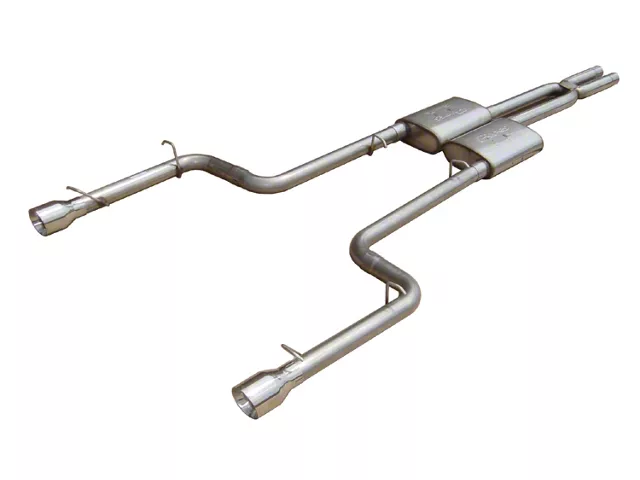
- Pypes Street Pro (Moderate): A great value option that adds a pleasant, moderate V8 tone without being obnoxious. Solid stainless construction and a clean quad-tip look. Ideal for daily drivers who want improved sound without neighbor complaints.
- Flowmaster American Thunder (Aggressive): The classic choice for owners who want that unmistakable chambered muffler rumble. Deep idle, aggressive under acceleration, with moderate drone at highway speeds. This is the "classic muscle" sound.
- Borla ATAK (Aggressive): Loud, deep, and authoritative. The ATAK is Borla's most aggressive offering and delivers a head-turning exhaust note. Best for owners who want maximum volume and don't mind turning heads at every stoplight.
Best for daily driver use: The Corsa Sport axle-back or Pypes Street Pro cat-back. Both deliver improved sound with minimal drone for comfortable highway cruising.
Best for weekend warrior use: The Flowmaster American Thunder cat-back. Aggressive enough to be exciting on Saturday drives, civilized enough for the Monday commute.
Best Exhaust for 6.4L HEMI (Scat Pack/SRT 392)
The 6.4L HEMI (392 cubic inches) puts out 485 HP and 475 lb-ft of torque, and it deserves an exhaust system that matches its capability. This engine benefits from larger-diameter tubing (2.75 inches or larger) to keep exhaust gases moving efficiently at higher RPMs.
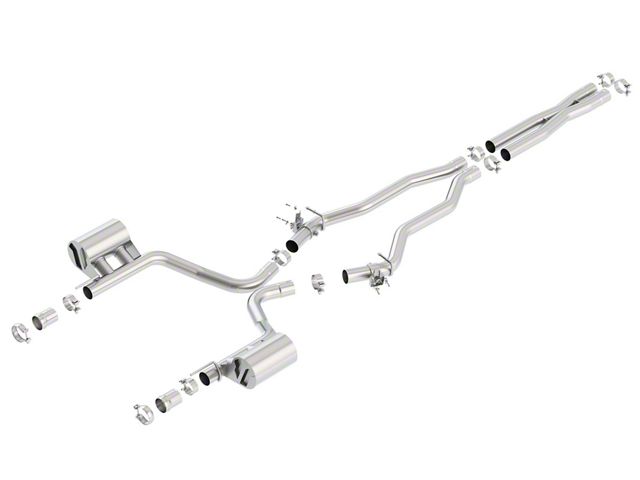
Top cat-back picks:
- Corsa Sport (Moderate): The gold standard for Scat Pack owners who want a refined, deep exhaust note with zero drone. The RSC technology makes this one of the best daily-drivable performance exhausts on the market.
- Corsa Xtreme (Aggressive): Same technology, more volume. Delivers a raspy, aggressive bark under acceleration with only slightly more drone than the Sport at cruise.
- Borla ATAK (Aggressive): Deep and loud. The 392's displacement paired with Borla's straight-through design creates a sound that commands attention.
- AWE Touring (Moderate): A newer entry that's rapidly gaining fans. Clean, refined tone with excellent build quality and 180-degree resonators that eliminate drone without killing volume.
Active exhaust compatibility note: Some Scat Pack and SRT trims come with factory active exhaust valves that open and close electronically to change the sound profile. If your Charger has active exhaust, make sure any aftermarket system you choose is compatible with your factory valve controller. Some systems bypass the active valves entirely (giving you one consistent sound level), while others retain and work with them. Check fitment notes carefully before ordering.
Best Exhaust for 3.6L V6 (SE/SXT)
The 3.6L Pentastar V6 produces 292 HP and is the most common Charger engine on the road. While it won't deliver the same deep rumble as a HEMI, the right exhaust system can make the V6 sound substantially better than stock and add a sporty edge to the driving experience.
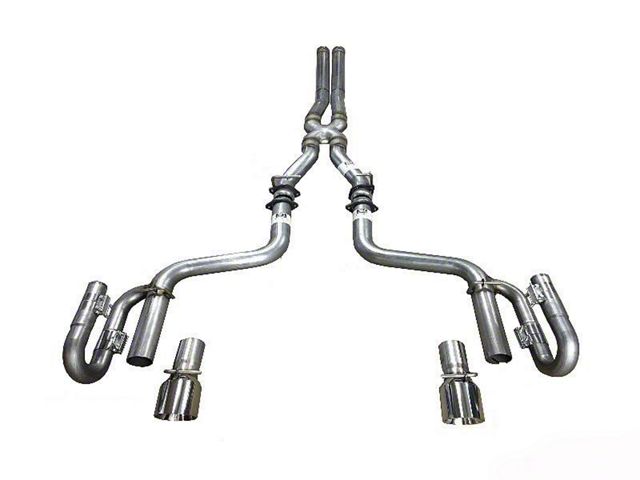
Key consideration: Pipe diameter matters even more on a V6. Going too large (3.0 inches or bigger) on a smaller-displacement engine can actually hurt low-end torque by reducing exhaust velocity. Stick with 2.25- to 2.5-inch diameter systems designed specifically for the 3.6L for the best results.
Top picks:
- Solo Performance Street Race Cat-Back (Moderate to Aggressive): One of the few systems specifically designed to make the V6 Charger sound its best. Adds a deeper, sportier note that's far more interesting than the stock whisper.
- MagnaFlow Street Series (Moderate): A universal-fit option that works well on the V6 when properly sized. Clean, mellow tone.
Budget tip: An axle-back swap is often the best value for V6 Charger owners. It costs less, installs faster, and the sound improvement relative to stock is significant since the factory V6 exhaust is almost silent.
Best Exhaust for 6.2L Supercharged (Hellcat/Redeye)
The 6.2L supercharged HEMI produces 707 HP in the Hellcat and 797 HP in the Redeye. At these power levels, the exhaust system needs to handle serious volume and heat. Cheap or undersized systems won't cut it.
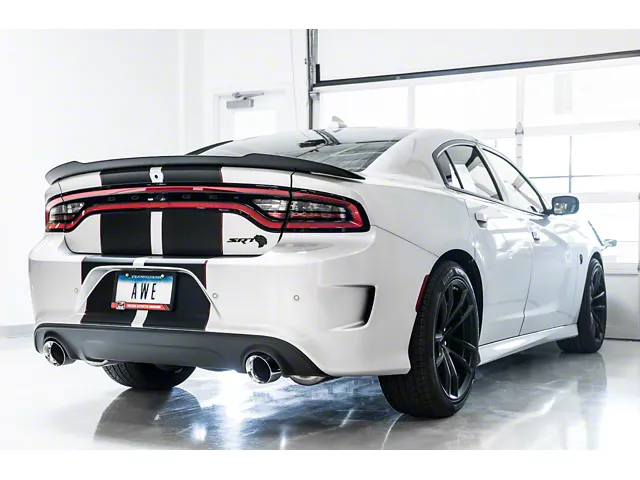
Top picks:
- AWE Touring (Moderate): AWE's 3.0-inch system is engineered specifically for the supercharged HEMI platform. It delivers a refined, deep tone that lets the supercharger whine come through without excessive rasp or drone. Exceptional build quality with T304 stainless and CNC machined flanges.
- Borla ATAK Cat-Back (Aggressive): If you want your Hellcat to announce itself, the ATAK delivers. Full-throttle sound is thunderous while maintaining Borla's trademark low-end depth.
- Corsa Xtreme (Aggressive): Designed to let the supercharger's whine blend with the exhaust note. Raspy, aggressive character that performs well at high RPM without becoming tinny or shrill.
Important for Hellcat owners: Always choose a system rated for the heat and flow demands of a supercharged engine. Look for 3.0-inch or larger primary tube diameter, T304 stainless steel construction (which handles higher exhaust gas temperatures better than 409 stainless), and precision-welded joints that won't crack under the vibration of 700+ HP.
How to Choose the Right Exhaust for Your Charger
With all the options on the table, here's a practical framework to narrow down the right exhaust system for your specific Charger, budget, and goals.
Sound Preference
This is the most personal decision in the entire process. Listen to exhaust clips online, but keep in mind that phone and computer speakers compress audio and rarely capture the full character of a system. When possible, listen to systems in person at car meets or shows.
- Moderate sound systems (Corsa Sport, AWE Touring, MagnaFlow) are ideal if you commute daily, have close neighbors, or want a refined tone that's noticeable without being overwhelming.
- Aggressive sound systems (Borla ATAK, Flowmaster Outlaw, Corsa Xtreme, Pypes Pype-Bomb) are for owners who want their Charger to turn heads and don't mind the extra volume at idle and cruise.
Ask yourself: Will you be happy with this exhaust note at 7 AM on a Monday morning in your neighborhood, or at 70 MPH on a three-hour highway drive? If the answer is yes, it's the right level for you.
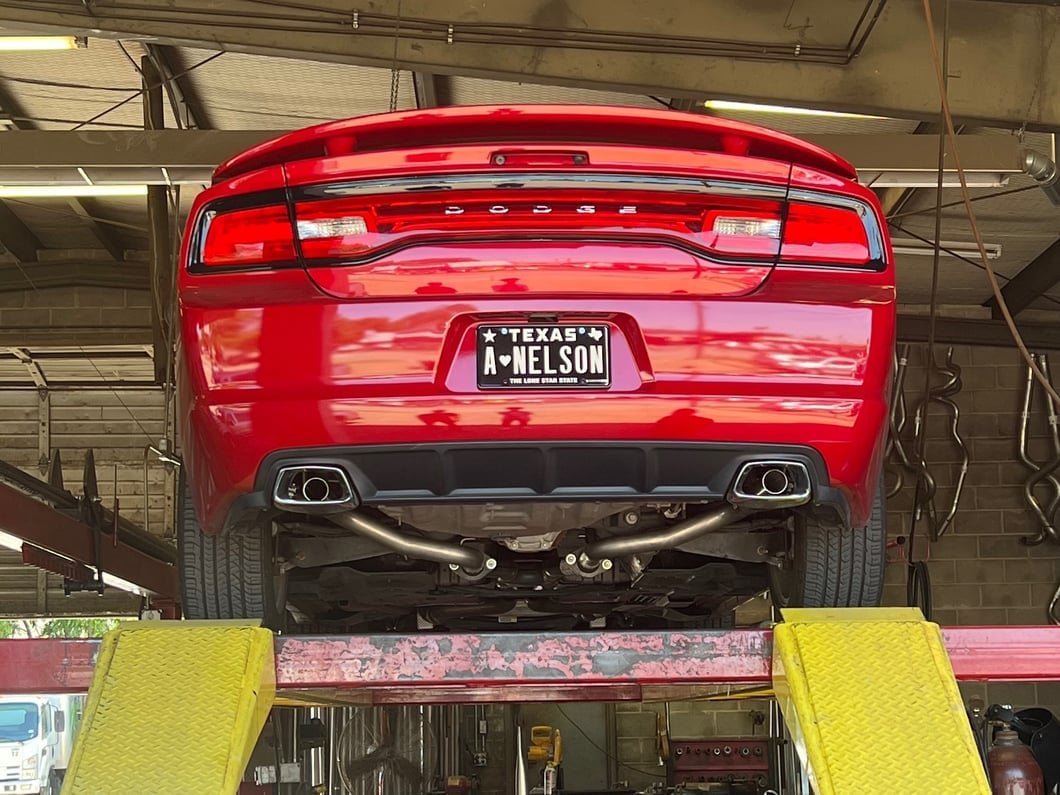
Budget Tiers
- $200 to $400 (Axle-back territory): Best bang for the buck. You'll get a meaningful sound upgrade with minimal installation effort. Ideal first mod for V6 and budget HEMI builds.
- $400 to $800 (Mid-range cat-back): The sweet spot for most owners. Systems from Flowmaster, Pypes, and SLP deliver strong sound and moderate performance gains with bolt-on installation.
- $800 and up (Premium cat-back and full systems): This is where you get premium materials (T304 stainless), advanced sound technology (Corsa RSC), and the highest build quality from brands like Borla, AWE, and Corsa. Worth the investment for owners who want a system that will last the life of the car and sound exceptional from day one.
Material Quality
Exhaust material directly affects longevity, sound, and weight:
- T304 stainless steel: The premium choice. Highly resistant to corrosion, handles high exhaust temperatures, and maintains its appearance over time. Slightly brighter, crisper exhaust tone. Common on Borla, AWE, and Corsa systems.
- 409 stainless steel: Good corrosion resistance at a lower price point. Slightly heavier than T304 and may develop surface discoloration over time, but holds up well in most climates. Common on Flowmaster and Pypes systems.
- Aluminized steel: The most affordable option. Adequate for dry climates but prone to rust in areas with road salt, rain, and humidity. Best treated as a budget option with a shorter lifespan (3 to 5 years in harsh climates vs. 10+ years for stainless).
Installation Complexity
- Bolt-on (DIY-friendly): Most axle-back and cat-back systems use factory hanger locations and clamp connections. A jack, jack stands, basic wrenches, and penetrating oil for stuck bolts are all you need. Budget one to three hours.
- Professional recommended: Long-tube headers, mid-pipe conversions, and full exhaust systems from manifold to tip usually require lifting the car, dropping the subframe, and potentially welding. A professional exhaust shop will charge $100 to $300 for installation depending on complexity.
Warranty Considerations
Under the Magnuson-Moss Warranty Act, a dealer cannot void your entire vehicle warranty simply because you installed aftermarket exhaust parts. The burden of proof is on the dealer to demonstrate that your specific modification directly caused a specific failure. In practice, an exhaust upgrade almost never triggers warranty issues. Keep your purchase receipts and installation documentation just in case.
Complementary Upgrades
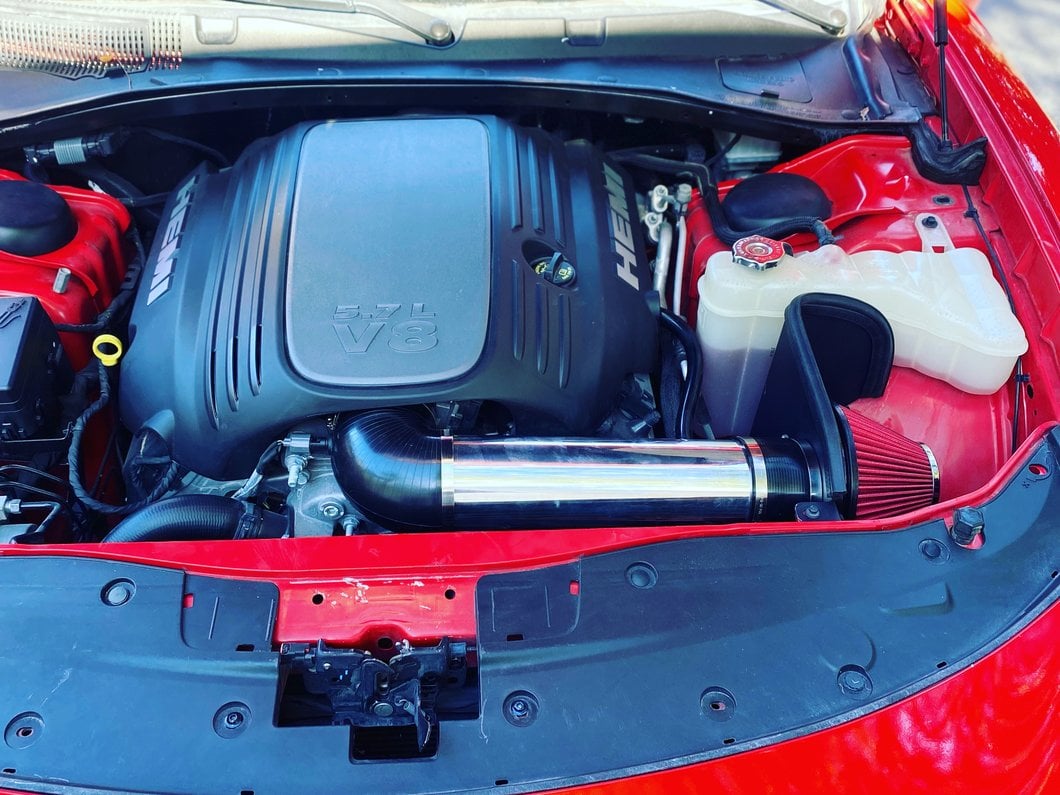
An exhaust system works best as part of a broader performance package. Pairing your exhaust upgrade with a cold air intake improves both the inflow and outflow of your engine, giving you the best return on your investment. For a full rundown of what to upgrade and in what order, check out our guides on top Charger mods and the best performance mods for the Charger platform.
Find Your Perfect Charger Exhaust
![]() Upgrading your Charger's exhaust is one of the most rewarding modifications you can make. It changes the way your car sounds, how it performs, and how it feels every time you press the pedal. The right system comes down to your engine and your budget first — then your sound preference once you've narrowed the field.
Upgrading your Charger's exhaust is one of the most rewarding modifications you can make. It changes the way your car sounds, how it performs, and how it feels every time you press the pedal. The right system comes down to your engine and your budget first — then your sound preference once you've narrowed the field.
If you want the best balance of sound and performance, a cat-back exhaust is the move for most Charger owners. If you're on a budget or want a quick first upgrade, an axle-back gets you in the game fast. And if you're building for the track or chasing maximum power, headers and a full exhaust system will unlock everything your HEMI has to give.
Ready to find the right system for your Charger? Browse the full selection of Charger exhaust systems, explore Charger accessories, and check out the best performance mods to plan your next build. Every exhaust system at AmericanMuscle ships free on orders over $149, with same-day shipping on most orders and fitment guaranteed for your specific Charger.
Frequently Asked Questions About Dodge Charger Exhaust Systems
Whether you're upgrading a V6 daily driver or building a Scat Pack weekend warrior, these are the most common questions Charger owners ask before pulling the trigger on an exhaust upgrade.
What Is the Best Exhaust System for a Dodge Charger?
The best exhaust system depends on your Charger's engine and your goals. For 5.7L HEMI RT owners, a Borla ATAK or Flowmaster American Thunder cat-back delivers aggressive sound with solid performance gains. Scat Pack 6.4L owners should consider the AWE Touring or Corsa Xtreme for a deeper, more refined tone that matches the engine's output.
What Is the Difference Between Cat-Back and Axle-Back Exhaust?
A cat-back exhaust replaces everything from the catalytic converter to the tailpipe, offering greater performance gains and a more significant sound change. An axle-back only replaces components behind the rear axle — primarily the muffler and tips — making it a more affordable option that still improves sound without major performance changes.
How Much Horsepower Does a Cat-Back Exhaust Add to a Charger?
A cat-back exhaust typically adds 5 to 20 horsepower to a Dodge Charger, depending on the engine size and system design. Larger-diameter tubing and free-flowing mufflers provide the biggest gains. Pairing a cat-back with long-tube headers and a cold air intake can yield even greater results across the powerband.
Does an Aftermarket Exhaust Void the Dodge Warranty?
No. Under the Magnuson-Moss Warranty Act, a dealer cannot void your entire warranty simply because you installed aftermarket exhaust parts. However, if the dealer can prove your exhaust modification directly caused a specific failure, that particular repair may not be covered. Keep your installation receipts and documentation.
What Exhaust Brands Make Systems for the Dodge Charger?
The top exhaust brands for the Dodge Charger include Borla, Corsa Performance, Flowmaster, AWE Tuning, MagnaFlow, Pypes, and SLP. Each brand offers different sound profiles and performance characteristics, from the refined tone of Corsa's RSC technology to the classic American muscle rumble of Flowmaster's chambered mufflers.
Is a Muffler Delete Legal on a Dodge Charger?
Muffler delete legality varies by state and local regulations. Some states allow muffler modifications as long as the vehicle meets noise limits, while others require a functional muffler at all times. Check your state's vehicle code before removing mufflers. A performance muffler replacement is a safer legal alternative that still improves sound.
How Much Does It Cost to Install an Aftermarket Exhaust on a Charger?
Aftermarket exhaust costs range from $200 to $2,000+ depending on the type and brand. Axle-back systems start around $200 to $600, cat-back systems range from $500 to $1,500, and full exhaust setups with headers can exceed $2,000. Professional installation typically adds $100 to $300, though many cat-back and axle-back systems are designed for bolt-on DIY installation.
What Is the Best Exhaust for a Charger RT 5.7 HEMI?
For the 5.7L HEMI, the Borla ATAK cat-back delivers an aggressive, deep tone without excessive drone, while the Corsa Sport offers a refined sound with virtually no cabin drone at highway speeds. Budget-conscious owners often choose the Flowmaster American Thunder or Pypes Street Pro for a classic muscle car rumble at a lower price point.