 FREE 1 to 3-Day Delivery on Orders $149+ Details
How to Remove Soot & Burn Marks: Exhaust Tip Detailing Guide

AM Staff
/ Dec 15 2025
Exhaust tips are one of the parts of your car that get dirty easily, especially if your vehicle is older, with less strict emissions standards, or is modified with catless headers. Such cars collect soot and burn marks extremely fast, but it's still an issue with new and unmodified cars, too. The good news is that most of the dirt, including discoloration of the exhaust, is fairly easy to remove if you have the right tools and technique. Below, we’ll tell you about just that.
Prepare the Exhaust Tips Before Cleaning
This applies to cleaning almost anything on your car. Begin by rinsing with a pressure washer or just a water hose to remove any loose debris, dirt, or grime that hasn’t yet had the time to “stick”. This reduces the risk of scratching the surface while you scrub the tips, and also allows you to use less cleaning product. A pre-wash cleaner is a welcome addition that helps break down oily film and softens the soot. Let it dwell for about a minute, but not so long that it dries. Once the upper grime lifts, the deeper carbon and soot buildup will be easier to deal with.
Deep Cleaning: Remove Stubborn Soot and Burn Marks
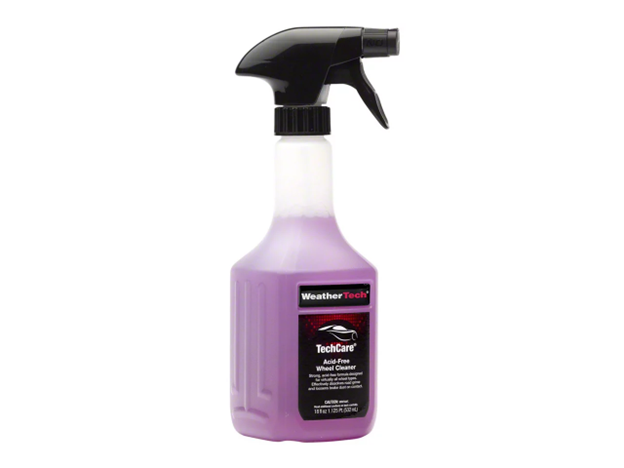
Once the prep is done, the deep cleaning can begin. Most exhaust tips can be cleaned very well with a metal polish. Apply the polish with a microfiber towel and scrub. You’ll see the carbon layer loosening almost immediately. Another option is to use a wheel cleaner. There’s not all that much of a difference between removing the fine brake pad dust or carbon buildup. If your exhaust has been neglected for a while, some of the residue may resist the microfiber cloth alone, and in that case, a very fine-grade steel wool lubricated with the polish will help you without scratching the surface of the exhaust. Just be gentle and don’t apply too much pressure. When you’re satisfied with the result, wipe the surface with a clean towel to remove any residual polish or cleaner, and you’re set. Although there is one additional step, which we highly recommend to not skip.
Prevent Future Soot Buildup
Protection is the easiest way to reduce the time spent on future cleaning and make the job easier for yourself the next time you do it. A high-temperature ceramic sealant is the perfect protection for exhausts, as it can withstand the heat cycling and high temperatures. Once applied, the coating repels soot, moisture, and road grime. Buildup becomes far less stubborn and wipes away with much more ease. Regular quick maintenance helps too. A simple wipe with a microfiber cloth and quick detailer every week keeps carbon from hardening into the surface, and so does a quick rinse with water. The more frequently you remove the early layer of soot, the less likely you’ll face the baked-on deposits that are so notoriously difficult to get rid of.
Common Cleaning Mistakes to Avoid
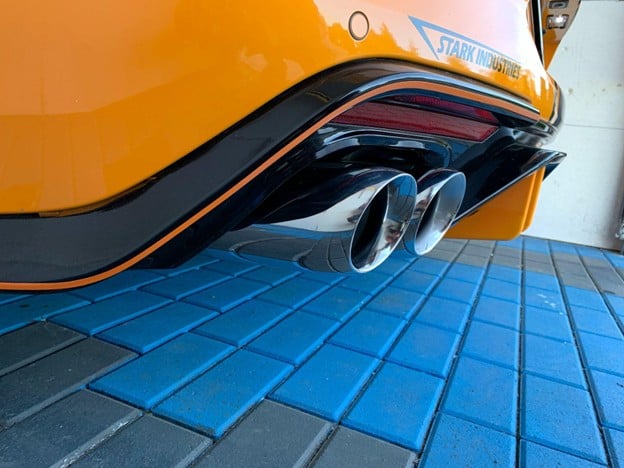
To ensure your exhaust is perfect, here are a few extra tips to prevent unnecessary mistakes and get it right from the first time.
Don’t Be Too Harsh
The coarser and more abrasive the tool, the better. Many owners go straight to coarse steel wool, which makes removing the carbon and grime buildup easier, but it also scratches the tips' surfaces. Fine abrasives and polishes achieve better results without causing permanent damage.
Let It Cool Down
Bought an expensive exhaust cleaner? Then make sure not to waste it. Hot exhaust metal evaporates cleaners quickly, and leaves chalky marks. Always wait until the exhaust is completely cool.
Don’t Ignore the Inside
The interior of the tip collects soot faster than the exterior, and leaving it dirty drags residue back toward the opening. Using a conical detail brush to clean the inner surface ensures the entire tip stays cleaner longer.
Protection Is Key
A freshly polished exhaust tip without protection in the form of a sealant will show soot not long after cleaning. Protection is what makes the cleaning work last.
Get an Exhaust That’s Worth Cleaning
At American Muscle, we’ll be happy to answer any additional questions you might have on the topic. We’re also experts in aftermarket car parts, with hundreds of exhaust systems available. If you want an exhaust that will be worth cleaning, definitely take a look!