 FREE 1 to 3-Day Delivery on Orders $149+ Details
Tuning Tips for Small-Block vs. Big-Block V8s

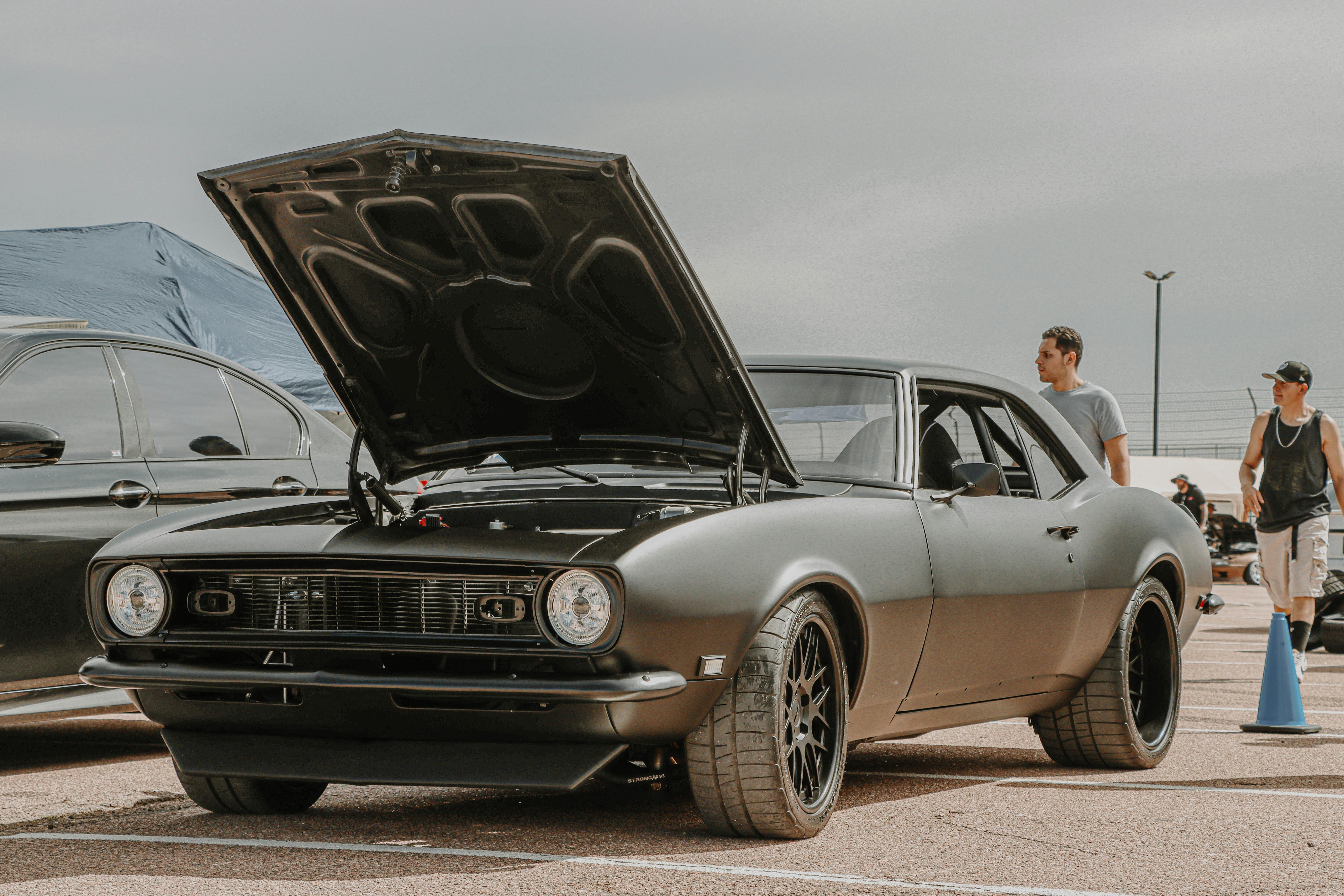
The distinction between small-block and big-block V8 engines isn’t just about physical exterior dimensions. While both share the same basic configuration, their internal architecture—specifically the bore-to-stroke ratio and rotating mass—dictates how they must be calibrated for performance. A small-block is typically engineered for high-RPM volumetric efficiency, whereas a big-block is built to leverage massive displacement into low-end torque.
Successful tuning requires a fundamental understanding of how these different mechanical footprints respond to changes in ignition timing and airflow. While a small-block can be tuned more aggressively for fast intake airflow at high RPM, a big-block requires careful management of thermal loads and cylinder pressure to prevent catastrophic engine failure.
- Small-block V8s generally feature shorter strokes and lighter internal parts, allowing them to sustain high engine speeds, often exceeding 6,500 RPM.
- The physical architecture of a V8 engine dictates its mechanical redline and helps determine whether it is better suited for high-speed racing or heavy-duty towing.
Powerband Focus
Camshaft selection is what determines an engine’s personality. In a small-block, horsepower is found by keeping the valves open longer at high speeds, which necessitates heavy-duty valve springs. If the springs are too lightweight, they cannot close the valves fast enough at high RPM, so the valves stop following the camshaft’s intended timing and motion. This timing error is known as valve float. Conversely, big-blocks already move a high volume of air naturally; over-camming these engines often results in a loss of signature low-end torque and poor street drivability.
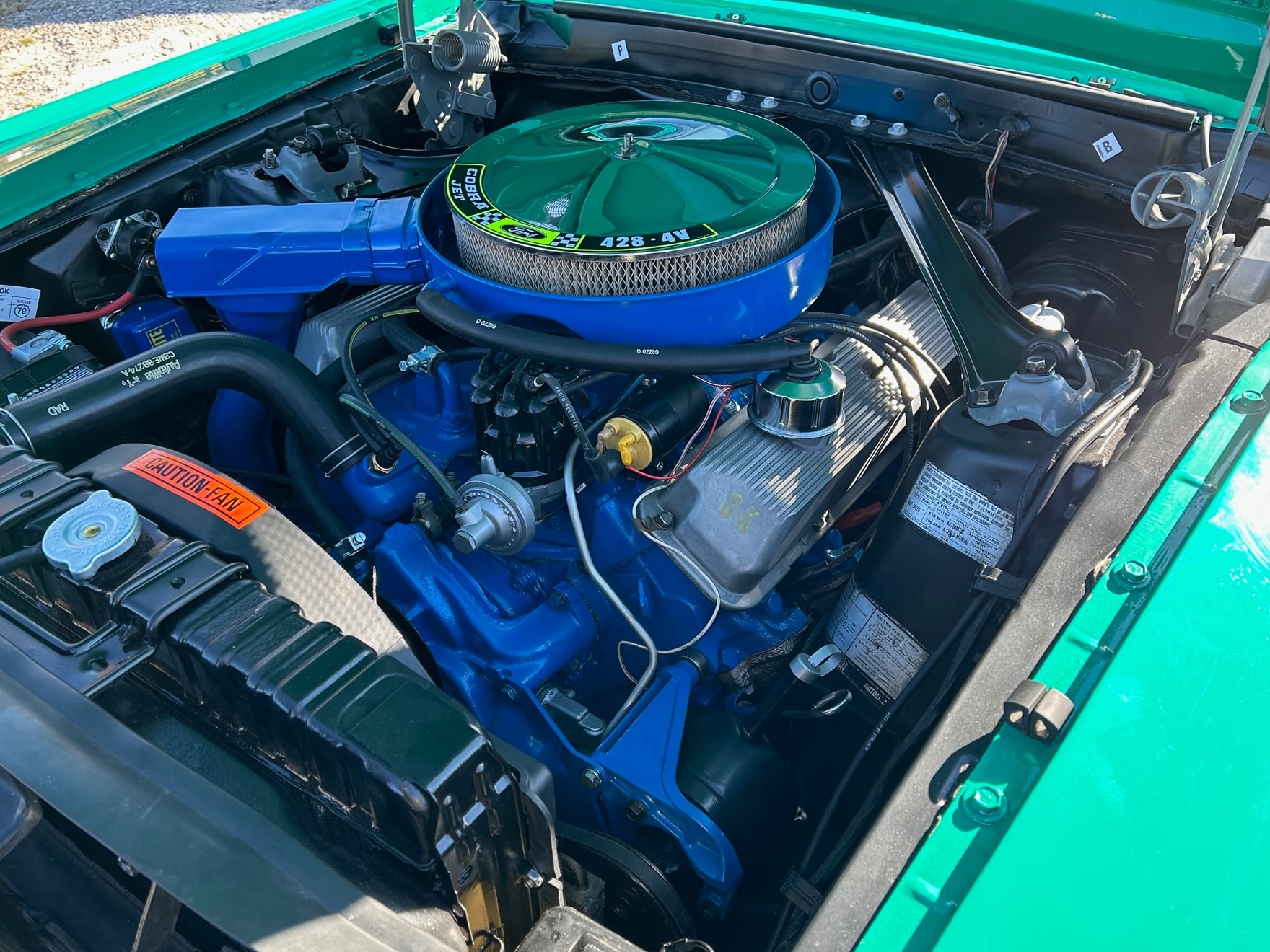
Airflow dynamics also differ based on displacement size. In a small-block, horsepower gains often come from improving the shape of the intake and exhaust passages in the cylinder heads so air can flow more efficiently into and out of the cylinders. The goal is to increase airflow without reducing the air velocity needed for strong high-RPM performance. This refinement is known as cylinder head porting. In a big-block, the focus shifts toward managing air velocity rather than sheer volume, as ports that are too large can cause a drop in air intake speed and a loss of throttle response.
- Big-block engines typically achieve high power numbers with more conservative cam profiles than their smaller counterparts.
- Because of their larger displacement, big-blocks generate torque curves that are much flatter and reach their peak at a significantly lower RPM.
- Every cubic foot per minute of airflow is critical for a small-block to reach its peak horsepower potential at the top of the tachometer.
- Technical experts emphasize that port design and airflow efficiency are the primary drivers of output.
Compression Ratio & Cooling
Thermal management and fueling represent the final frontier of the tuning process. Big-blocks generate a tremendous amount of heat due to the larger cylinder surface area and the friction of massive rotating assemblies. This necessitates high-capacity radiators and water pumps to prevent warped heads. Furthermore, the massive displacement requires a significantly greater fuel volume to maintain safe air-to-fuel ratios under load.
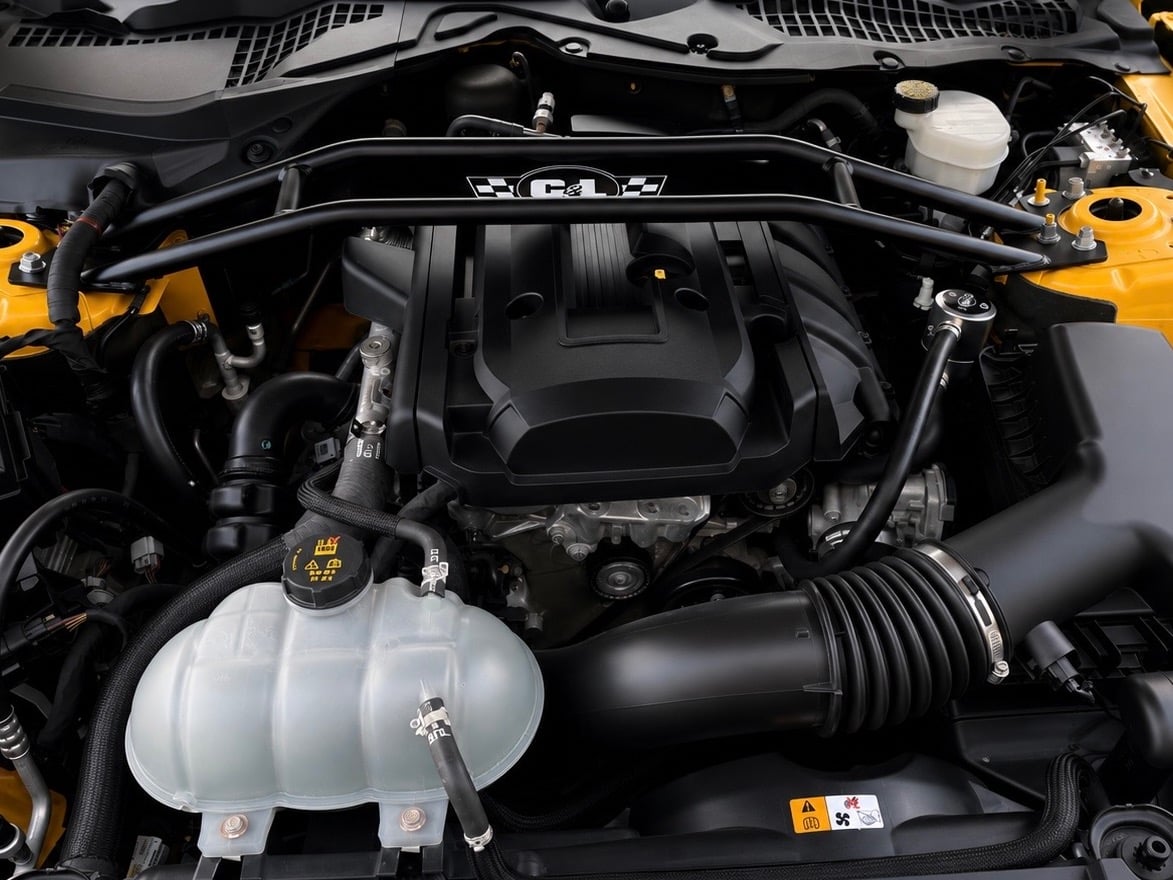
Compression ratios must also be managed with precision. Small-block engines can usually run higher compression ratios on standard gas-station fuel because their smaller combustion chambers allow the air-fuel mixture to burn more quickly and evenly. Big-blocks, with their expansive cylinder diameters, are more susceptible to detonation (knock) if ignition timing is too advanced or if the fuel octane is insufficient for the compression level.
- Upgrading the cooling system is essential for big-blocks to handle the massive thermal energy generated by high-displacement combustion.
- Professional builders focus on high-performance cooling strategies to protect engine internals.
Forced Induction & Weight Impact
Forced-induction strategies also differ between the two block types. A small-block benefits significantly from a turbocharger or supercharger because the boost makes up for the smaller displacement. While big-blocks also respond well to boost, they already produce high power in naturally aspirated form, meaning forced induction can quickly push them to extreme levels. Those higher levels require stronger, performance-grade internal components such as forged pistons and rods if the engine is to survive.
Ultimately, the engine’s weight and power characteristics influence the entire vehicle’s setup. Small blocks are favored for road racing and autocross because the lighter front-end weight improves weight distribution, particularly during cornering and turn-in response. Big-blocks are the preferred choice for straight-line performance and heavy towing, where the priority is brute force over nimble handling.
- Large-bore big-blocks are more sensitive to ignition timing because the flame front has a longer distance to travel across the cylinder.
- Tuning for optimal compression involves a careful balance between displacement and fuel octane.
Final Calibration & Fueling
Vehicle suspension must be tuned in tandem with the engine to account for the mass difference between big blocks and small blocks. A big-block adds significant weight over the front axle, requiring stiffer springs and adjusted damping to maintain control. A small-block setup offers more neutral handling, which is why it remains the favorite among road-course enthusiasts who prioritize balance over raw torque.
Properly gapping spark plugs and selecting the correct heat range are other critical steps in V8 calibration. While a small-block may operate efficiently with standard ignition settings, a high-torque big-block often requires a colder plug to prevent the tips from becoming a pre-ignition source during heavy towing or racing.
Finalizing the tune involves a series of data-logged pulls to ensure the air-to-fuel ratio remains stable across the entire rev range. Whether you are tuning for the high-RPM scream of a small-block or the effortless shove of a big-block, the goal is always a combination of maximum power and long-term mechanical reliability.