 FREE 1 to 3-Day Delivery on Orders $149+ Details
Automotive Recycling Guide

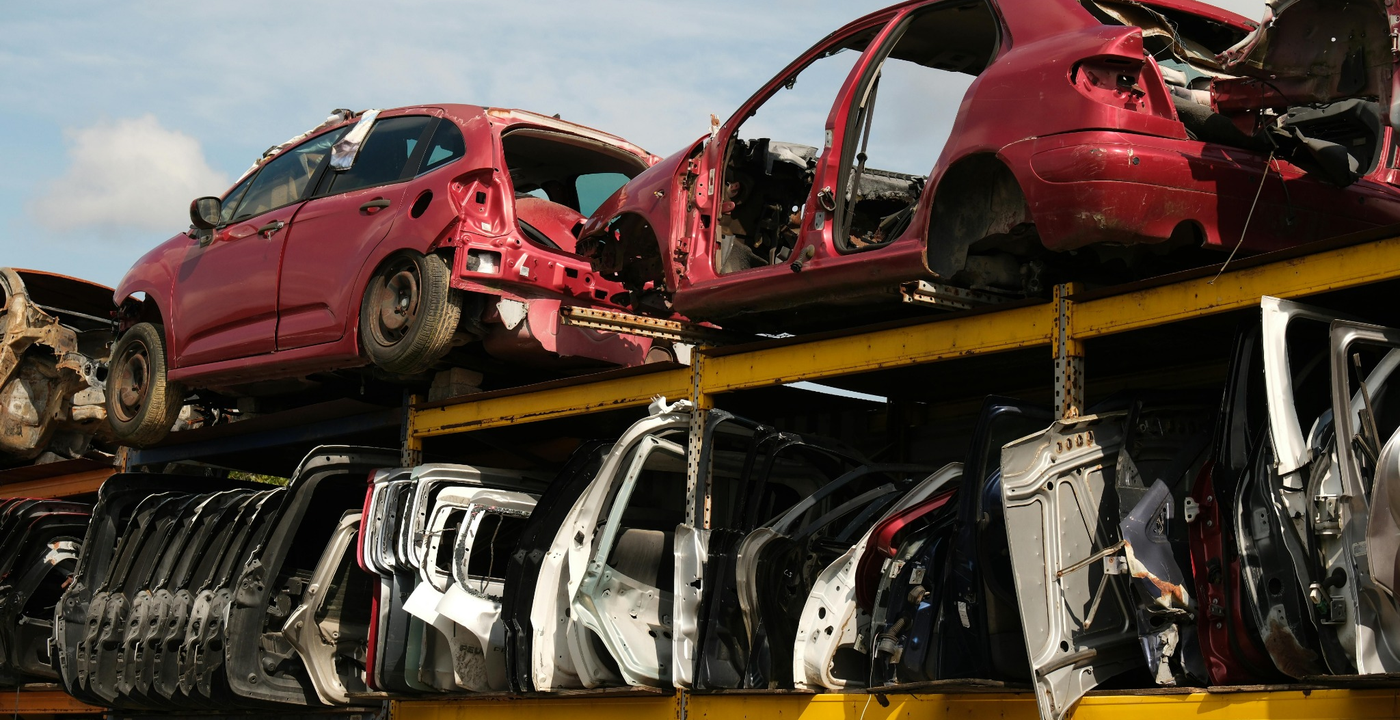
If you've ever wondered what happens to a car when it's totally done for, you're not alone. Turns out, a lot of the parts can actually be recycled - and it's a pretty big deal for the environment. Whether you're a gearhead, a DIY mechanic, or just someone trying to do the right thing with an old clunker, this guide breaks down everything you need to know about recycling car parts.
Why Bother Recycling Car Parts?
Cars are made up of a ton of valuable materials - metals, plastics, rubber, glass, and fluids - and most of it doesn't have to end up in a landfill. In fact, the automotive recycling industry keeps around 25 million tons of material out of landfills every year. On top of that, about 95% of all end-of-life vehicles in the U.S. are recycled in some way. That's actually pretty impressive.
Recycling car parts helps:
- Cut down on landfill waste
- Save natural resources like iron ore, aluminum, and copper
- Reduce the energy needed to make brand-new parts
- Lower greenhouse gas emissions from manufacturing
- Keep toxic materials like battery acid out of soil and waterways
What Car Parts Can Actually Be Recycled?
More than you might think. Here's a breakdown:
Batteries
Lead-acid car batteries are one of the most recycled products on the planet. They contain toxic materials like lead and sulfuric acid, so you definitely don't want to just toss them. Most auto parts stores will take them off your hands for free, and some will even give you a gift card in return.
Motor Oil & Fluids
Used motor oil doesn't actually "go bad" - it just gets dirty. It can be cleaned and re-refined into new oil over and over again. In fact, one gallon of used oil produces the same 2.5 quarts of lubricating oil as 42 gallons of crude oil. Engine oil, transmission fluid, antifreeze, and power steering fluid can all be recycled. Important: don't mix fluids together, or they can't be recycled.
Tires
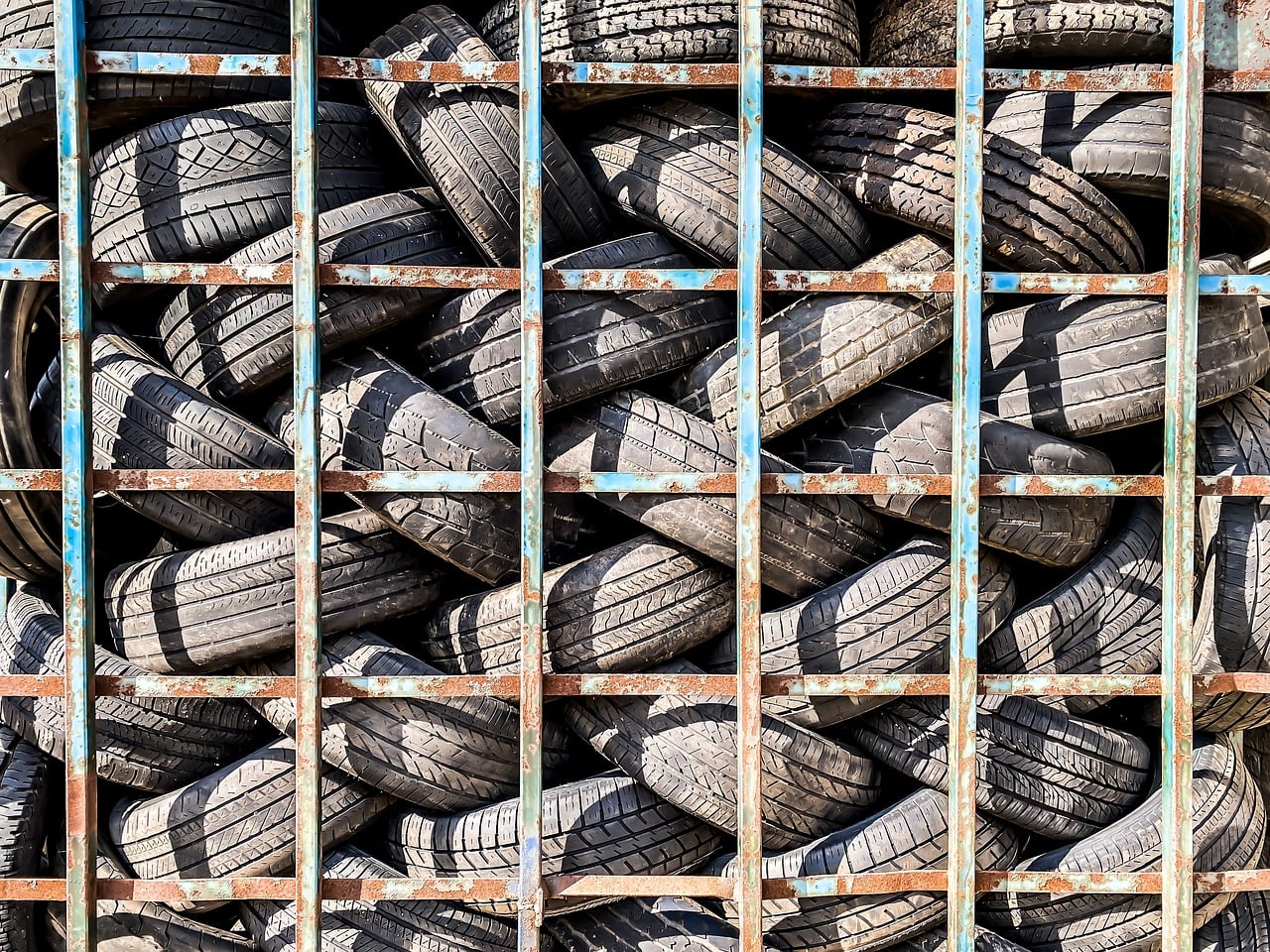
Old tires can be shredded and turned into playground surfaces, rubber asphalt, athletic track material, and more. They shouldn't go in the trash - many tire shops and recycling centers will accept them.
Metal Components
This is the big one. Steel, aluminum, copper - all of it is recyclable. Engines, transmissions, rims, axles, and alternators - scrap yards will often pay you for these. Recycling aluminum alone saves over 90% of the energy it would take to produce new aluminum from raw ore.
Glass
Windshields and car windows can be recycled through specialized facilities. Auto glass has a plastic interlayer that makes it different from regular glass, so it needs to go to the right place. Intact glass from older or rarer vehicles can sometimes even be sold to collectors or salvage buyers.
Plastics
Bumpers, dashboards, and interior trim pieces can often be recycled depending on the type of plastic used. This is a growing area as recycling tech gets better.
Catalytic Converters
These contain precious metals like platinum, palladium, and rhodium, which are super valuable and carefully extracted during the recycling process.
How to Prep Your Parts for Recycling
Before you haul anything off, a little prep goes a long way:
- Drain all fluids first: Oil, coolant, brake fluid - get it all out to prevent spills and contamination.
- Clean the parts: Wipe off dirt, grease, and gunk so recyclers can actually work with what you've brought.
- Separate materials when you can: Metal and plastic attached together? Try to disassemble them - it makes recycling a lot more efficient.
- Store fluids safely: Use sealed, leak-proof containers. Don't mix different fluids together.
Where to Take Your Recycled Parts
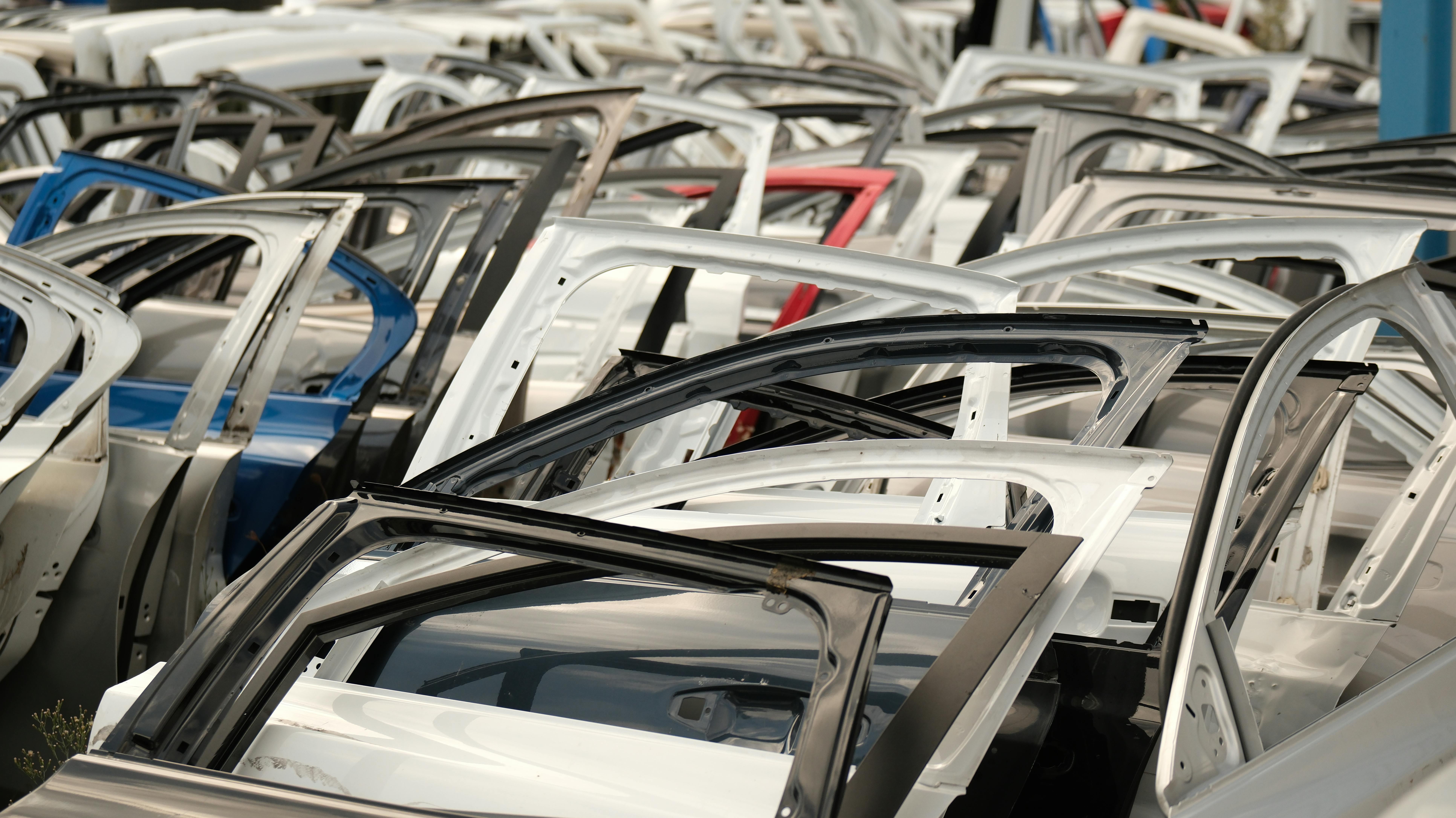
Finding the right drop-off spot is easier than you'd think:
- Auto Parts Stores: Places like AutoZone, O'Reilly, NAPA, and Advance Auto Parts accept used motor oil, batteries, and filters for free at most locations.
- Scrap Yards / Salvage Yards: These are your go-to dealers for metal components. They'll often pay you by weight.
- Specialized Recycling Centers: For tires, electronics, and hazardous materials like antifreeze.
- Local Government Programs: Many cities have household hazardous waste collection events that accept automotive fluids and batteries. Check your municipality's website.
- Dealerships and Auto Shops: Many have their own recycling programs, especially for fluids and batteries.
Think About Reusing Before You Recycle
Not everything needs to be melted down or shredded. Some options worth considering:
- Refurbish it: Many parts, like starters, alternators, and even engines, can be rebuilt and used again in another vehicle.
- Sell or donate it: Parts in good shape can be sold online or donated to vocational schools, nonprofit auto programs, or community garages.
- Get creative: Tires have been turned into garden planters, swings, and outdoor furniture. Seat belts, hubcaps, and other parts have become art and home décor.
A Few Things to Keep in Mind
Automotive recycling is constantly evolving. Electric vehicles and hybrids bring new challenges - their lithium-ion batteries require different handling than traditional lead-acid ones. As more EVs hit the road, the recycling industry is working to keep up with proper battery management for these newer technologies.
The bottom line: recycling your car parts is one of the easiest ways to make a real environmental difference. You might even make a little money in the process.
Additional Resources
- What is Automotive Recycling?
- Where to Recycle Car Parts?
- Car Parts Recycling: Reducing Waste and Preserving Resources in the Auto Industry
- Learn More About Automotive Recycling
- Car Recycling: How You Can Make Money and Save the Environment
- Automotive Recycling Statistics and Trends
- Managing, Reusing, and Recycling Used Oil
- How to Recycle Motor Oil and Filters
- How Car Parts Are Recycled
- Ten Car Components That Can Be Recycled