
This glossary breaks down essential automotive technology terms used in repair, diagnostics, design, and vehicle systems. It is a helpful reference for understanding everything from basic components like brakes and batteries to advanced topics like EVs, OBD-II, and regenerative braking.
 FREE 1 to 3-Day Delivery on Orders $149+ Details
Glossary of Automotive Technology Terms
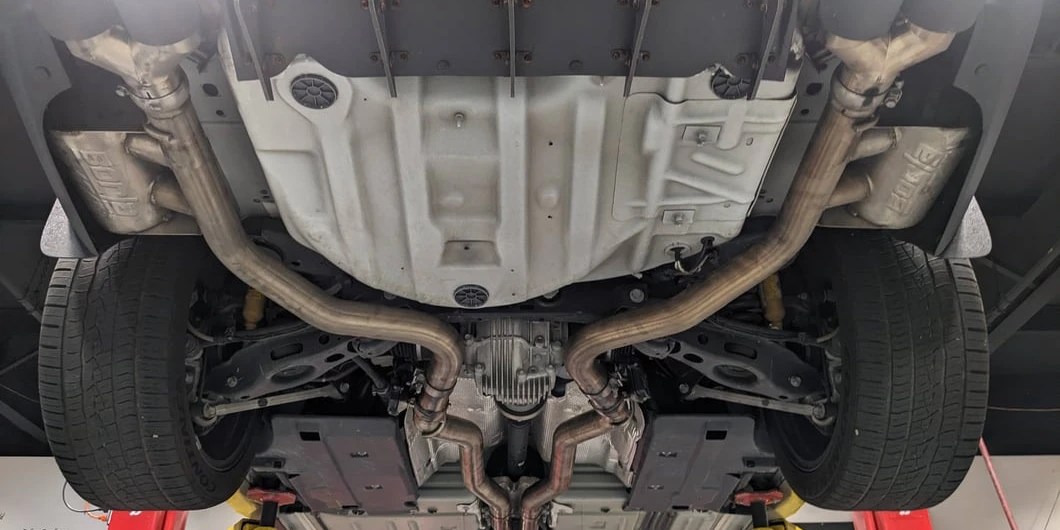
Automotive technology uses a wide range of technical terms relating to design, repair, diagnostics, manufacturing, and vehicle systems. This glossary covers the common terms that anyone pursuing an automotive career should know. Use each definition to decide on subjects you'd like to research further.
Aftermarket - Replacement parts, accessories, services, or upgrades added to a vehicle after it has been sold by the original manufacturer.
Alignment - The adjustment of wheel angles so a vehicle drives straight, handles correctly, and wears its tires evenly.
Alternator - A component driven by the engine that generates electricity to recharge the battery and power electrical systems while the vehicle is running.
Anti-lock Braking System (ABS) - A braking system that helps prevent wheels from locking during hard braking, allowing the driver to keep more steering control.
Battery - The electrical storage unit that provides power to start the vehicle and support electrical systems when the engine is not running.
Bearing - A part that reduces friction between moving components, such as a wheel hub and axle.
Brake Caliper - The part of a disc brake system that squeezes the brake pads against the disc to slow or stop the vehicle.
Bushing - A small cushioning part, often made of rubber or similar material, that reduces vibration and wear between connected components.
Camshaft - A rotating shaft in the engine that opens and closes the cylinder valves at the correct time.
Catalytic Converter - An emissions-control device that helps reduce harmful gases before they leave the exhaust system.
Chassis - The main supporting frame or structure of a vehicle that holds major systems such as the body, suspension, and drivetrain.
Coolant - A liquid mixture that circulates through the engine and radiator to help control operating temperature.
Dashboard - The panel in front of the driver that contains the speedometer, warning lights, controls, and displays.
Diagnostic Trouble Code (DTC) - A code stored by a vehicle's computer when it detects a problem in a monitored system.
Differential - A gear assembly that allows wheels on the same axle to rotate at different speeds, especially while turning.
Disc Brake - A braking system that uses brake pads pressing against a spinning rotor to slow the vehicle.
ECU (Engine Control Unit) - A computer that manages engine functions such as fuel delivery, ignition timing, and emissions control.
Electric Vehicle (EV) - A vehicle powered fully by electricity stored in a battery rather than by gasoline or diesel.
Emissions - Gases or particles released by the engine, usually through the exhaust system.
Engine - The machine that converts fuel or another energy source into mechanical power to move the vehicle.
Fuel Injector - A device that sprays a controlled amount of fuel into the engine for combustion.
Fuel Pump - A component that moves fuel from the tank to the engine.
Fuse - A protective electrical part that melts if too much current flows through it, shutting down an individual system.
Flywheel - A rotating engine component that helps smooth power delivery and connects with the clutch or transmission.
Gear Ratio - The relationship between two gears that affects torque, speed, and acceleration.
Gasket - A sealing material placed between engine parts to prevent leaks of fluids, gases, or pressure.
Ground - The return path in an electrical circuit, usually connected to the vehicle's metal body or frame.
Gross Vehicle Weight Rating (GVWR) - The maximum safe total weight of a vehicle, including passengers, cargo, and fluids.
Hybrid Vehicle - A vehicle that uses both an internal combustion engine and an electric motor for propulsion.
Horsepower - A measurement of how much work an engine or motor can do over time, often used to describe performance.
Hydraulic System - A system that uses pressurized fluid to transfer force for operating brakes, power steering, and some clutches.
HVAC - The heating, ventilation, and air conditioning system that controls cabin temperature and airflow.
Ignition Coil - A part that converts basic battery voltage into the high voltage needed to fire the spark plugs.
Internal Combustion Engine (ICE) - An engine that burns fuel inside its cylinders to create power.
Intake Manifold - A part that distributes air, or an air-fuel mixture, to the engine's cylinders.
Instrument Cluster - The display area that shows vehicle information such as speed, fuel level, warning lights, and engine temperature.
Jack Point - A reinforced area on a vehicle where a jack can safely lift the vehicle.
Jounce - The upward movement of the suspension when a wheel travels over a bump.
Jumper Cables - Heavy-duty electrical cables used to transfer current from a well-charged battery to a weak battery so a car with a low battery can start.
Junction Box - A housing space where multiple electrical circuits, fuses, or connections are organized.
Key Fob - A remote device used to lock, unlock, or start a vehicle electronically.
Knock Sensor - A sensor that detects abnormal combustion in the engine so the computer can adjust timing and prevent damage.
Kilowatt (kW) - A unit of power often used to describe electric motor output or EV charging speed.
Kinetic Energy - The energy an object has because it is moving, such as a vehicle traveling down the road.
Lane Departure Warning - A driver-assistance feature that alerts the driver when the vehicle drifts out of its lane without signaling.
Lug Nut - A fastener that secures a wheel to its hub.
Lubrication - The use of oil or grease to reduce friction and wear between moving parts.
Low-Voltage System - The electrical system that powers many standard vehicle components, usually separate from high-voltage EV systems.
Manual Transmission - A gear-shifting system that requires the driver to use a clutch pedal and gear shifter to choose the amount of force the engine delivers.
Mass Air Flow Sensor (MAF) - A sensor that measures the amount of air entering the engine so the computer can adjust fuel delivery.
Muffler - An exhaust component that reduces engine noise before exhaust gases exit the vehicle.
Multimeter - A tool used to measure voltage, resistance, and current in electrical circuits.
Neutral Gear - A transmission position where engine power is not sent to the wheels.
NOx - Nitrogen oxides, which are harmful emissions produced during high-temperature combustion.
NVH - Noise, vibration, and harshness; a term used to describe how smooth, quiet, or comfortable a vehicle feels.
OBD-II - The onboard diagnostics system used in most modern vehicles to monitor performance and store trouble codes.
Oil Filter - A filter that removes particles and contaminants from engine oil.
Oxygen Sensor - A sensor that measures oxygen in the exhaust so the engine computer can adjust the air-fuel mixture.
Oversteer - A handling condition where the rear of the vehicle loses grip and begins to rotate more than intended during a turn.
Parking Brake - A brake system used to hold a parked vehicle in place, separate from the main service brakes that are used while driving.
Piston - A moving part inside the engine cylinder that transfers combustion force to the crankshaft.
Powertrain - The group of components that create and deliver power to move the vehicle, including the engine or motor, transmission, and drivetrain parts.
Preventive Maintenance - Regular service performed to reduce the chance of breakdowns, such as oil changes, inspections, and fluid checks.
Quality Control - The process of checking parts, repairs, or manufacturing work to make sure they meet required standards.
Quarter Panel - A body panel located toward the rear side of a vehicle, usually around the rear wheel area.
Quick Charge - A faster method of charging an electric vehicle battery, often used at public charging stations.
Quench Area - A section of the combustion chamber designed to help control air-fuel mixing and combustion behavior.
Rack and Pinion - A mechanical arrangement that converts rotation of the steering wheel into side-to-side motion, steering the wheels in the direction required.
Radiator - A heat exchanger that helps cool engine coolant liquid before it returns to the engine.
Regenerative Braking - A system in hybrid and electric vehicles that captures some energy during braking and sends it back to the battery.
Rotor - A round disc in a disc brake system that spins with the wheel and is squeezed by brake pads to slow the vehicle.
Sensor - An electronic device that measures conditions such as temperature, pressure, speed, or position and sends that information to a vehicle computer.
Serpentine Belt - A long belt that drives multiple engine accessories such as the alternator, power steering pump, and air conditioning compressor.
Spark Plug - A component that creates a spark to ignite the air-fuel mixture in each cylinder.
Suspension - The system of springs, shocks, struts, and links that supports the vehicle and helps control ride and handling.
Throttle Body - A component that controls how much air enters the engine when the driver presses the accelerator.
Timing Belt - A belt that keeps the crankshaft and camshaft moving at the correct speed relative to each other.
Torque - A twisting force that helps turn parts such as the crankshaft, driveshaft, or wheels.
Transmission - The system that changes gear ratios so the vehicle can accelerate, cruise, reverse, or stop efficiently.
Understeer - A handling condition where the front tires lose grip and the vehicle turns less than the driver intends.
Unibody - A vehicle structure where the body and frame are built as one integrated unit.
Universal Joint - A flexible joint that allows a driveshaft to transfer power even when the connected parts are at different angles.
Upstream Sensor - An oxygen sensor located before the catalytic converter, commonly used to help control the air-fuel mixture.
Valve - A part in the engine that opens and closes to let air in or exhaust gases out of the cylinder.
Variable Valve Timing (VVT) - A system that changes valve timing to improve performance, fuel efficiency, or emissions.
VIN (Vehicle Identification Number) - A unique code assigned to each vehicle that identifies details such as manufacturer, model, year, and production information.
Voltage - The electrical pressure that pushes current through a circuit.
Wheel Bearing - A bearing that allows the wheel to spin smoothly while supporting vehicle weight.
Wheelbase - The distance between the front and rear axles of a vehicle.
Wiring Harness - A bundled group of wires and connectors that carries electrical power and signals through the vehicle.
Wrench Light - A dashboard warning symbol that often indicates a service or powertrain-related issue.
X-Axis - A horizontal reference direction used in vehicle design, measurement, or alignment.
X-by-Wire - A general term for systems that use electronic controls instead of direct mechanical links, such as steer-by-wire or brake-by-wire.
Xenon Headlight - A type of high-intensity vehicle headlight that uses xenon gas to produce a bright beam.
X-Ring Seal - A sealing ring with an X-shaped cross-section, sometimes used in mechanical systems to reduce leaks and friction.
Yaw - The side-to-side rotation of a vehicle around its vertical axis, often discussed in stability and handling.
Yaw Sensor - A sensor that measures vehicle rotation to help systems like electronic stability control detect skids.
Yoke - A fork-shaped mechanical part used to connect components while allowing movement or rotation.
Yield Strength - The amount of stress a material can handle before it begins to bend or deform permanently.
Zero Emissions Vehicle (ZEV) - A vehicle that produces no direct exhaust emissions during operation, such as a battery-electric vehicle.
Zero Point Calibration - A procedure that resets a sensor's reference position so the vehicle computer can interpret its readings correctly.
Zerk Fitting - A small fitting used to add grease to certain mechanical joints or parts.
Zone Control - A climate-control feature that lets different areas of the vehicle cabin have separate temperature settings.
Learning automotive technology starts with understanding the language used in classrooms, repair shops, service manuals, and engineering discussions. These terms give students a foundation for exploring vehicle systems, diagnostics, maintenance, design, and emerging technologies in more depth.
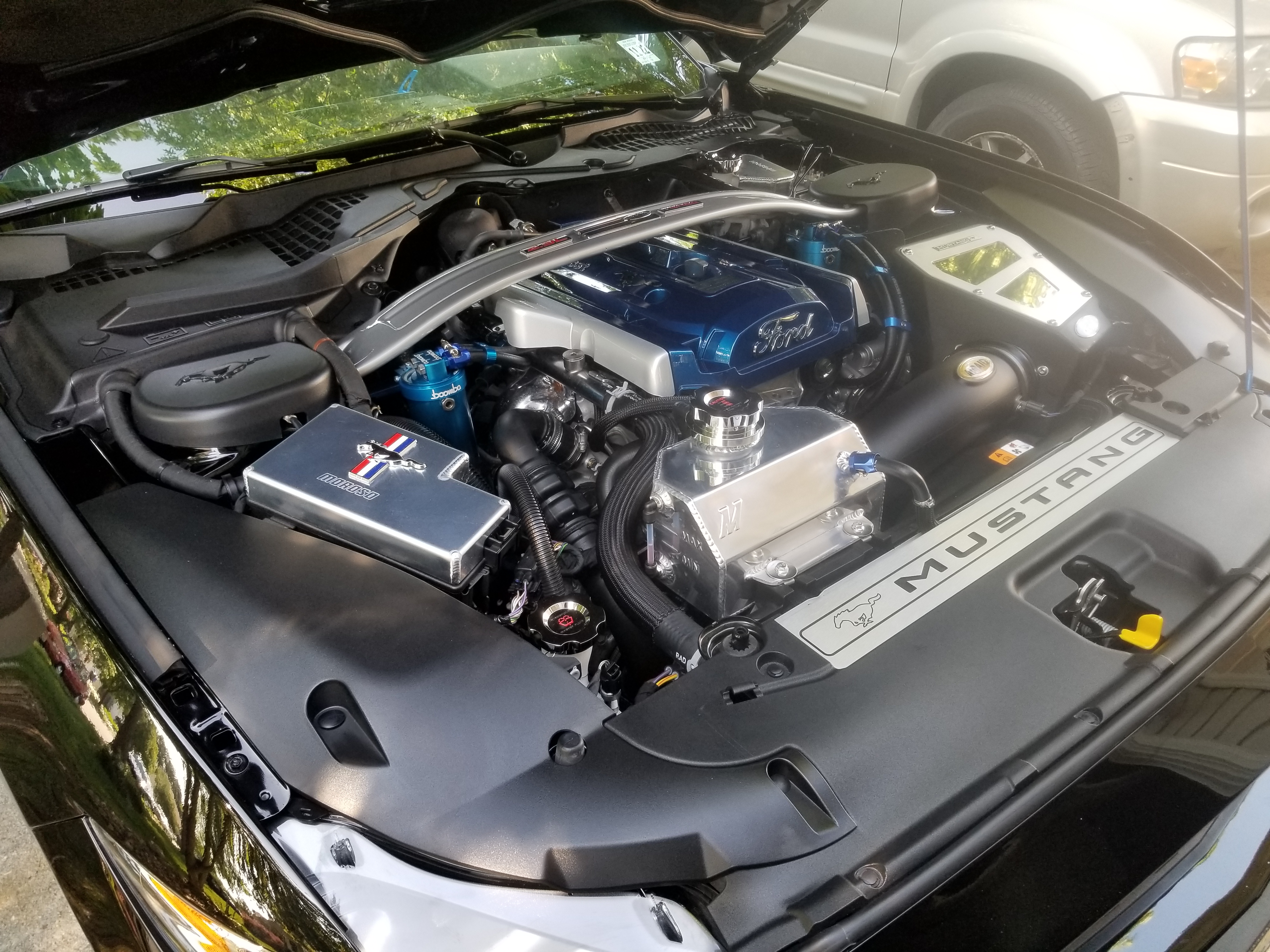
Learn More
-
- Air Pollution from Transportation and Vehicle Emissions
- Basics of All-electric Vehicles
- Driver Assistance Technologies
- Careers in Automotive Technology
- Guide to an Automotive Technology Career
- Safety and Health in Auto Body Repair Shops
- Regenerative Braking Basics
- Car Science And Engineering Projects For Students
- Vehicle Systems Overview
- Applying Racecar Technology in the Real World