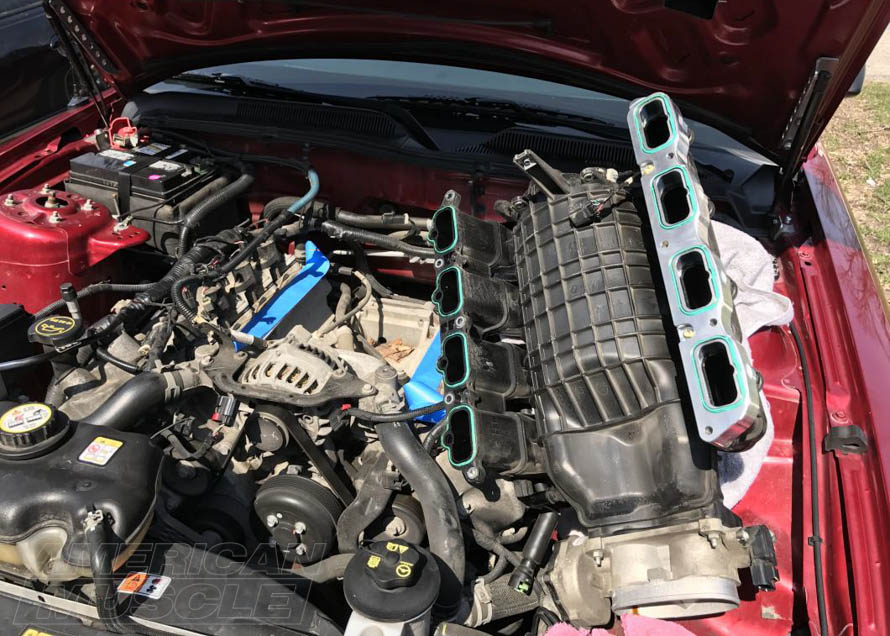
Have you noticed your 3V Mustang idling rough on cold mornings, or felt a strange hesitation when you tip into the throttle at low speed? There is a good chance your charge motion control valves are the culprit. These small butterfly plates inside the intake manifold are a common failure point on the 2005-2008 Mustang GT, and when they stick or break, they can rob you of power — or worse. In this guide, you will learn exactly what CMCVs do, how to spot the warning signs of failure, and whether deleting them is the right move for your build.
What Are Charge Motion Control Valves?
![]() Charge motion control valves (CMCVs) are butterfly-style plates inside the intake manifold that restrict airflow at low RPM to improve fuel economy and reduce emissions on Ford's 4.6L 3-valve V8 engine found in 2005-2008 Mustang GTs. Also referred to as intake manifold runner control (IMRC) valves, they use the same principle Ford first introduced on mid-1990s 4-valve Cobra engines to boost low-end torque without sacrificing high-RPM breathing.
Charge motion control valves (CMCVs) are butterfly-style plates inside the intake manifold that restrict airflow at low RPM to improve fuel economy and reduce emissions on Ford's 4.6L 3-valve V8 engine found in 2005-2008 Mustang GTs. Also referred to as intake manifold runner control (IMRC) valves, they use the same principle Ford first introduced on mid-1990s 4-valve Cobra engines to boost low-end torque without sacrificing high-RPM breathing.
Ford used IMRC on select Cobra and V6 engines throughout the late 1990s and early 2000s, but the system was never offered on the 2-valve GT engines. When the 3-valve 4.6L arrived in 2005, Ford included removable CMCV plates bolted into the intake manifold. That design carried through 2008. Starting in 2009, Ford integrated the valves directly into the manifold casting, making them part of the structure rather than a bolt-on assembly. Understanding that distinction matters when you shop for replacement parts or throttle enhancement parts.
How Do CMCVs Work on the 4.6L 3V Engine?
The CMCV system is built around flat butterfly plates mounted on a shaft that runs lengthwise through each intake bank. At idle and low RPM, the powertrain control module (PCM) keeps those plates partially closed. By blocking a portion of each intake port, the plates force incoming air through a smaller opening, which increases air velocity and creates a stronger swirl pattern inside the combustion chamber. That faster-moving charge helps the fuel mix more completely at low engine speeds, which improves combustion efficiency, stabilizes idle, and lowers emissions.
When you press the throttle harder or the engine climbs above roughly 3,000-3,500 RPM, the PCM sends a signal to the CMCV actuator motor. The motor rotates the shaft, swinging the butterfly plates to the fully open position. With the plates out of the way, the intake runners flow at full volume and the engine breathes freely for maximum power at higher RPM. It is an elegant compromise: better fuel economy and smoother idle down low, full airflow up top.
The PCM makes this decision based on inputs from the throttle position sensor, mass airflow sensor, engine speed, and coolant temperature. On a stock, well-maintained engine, the transition is seamless and you will never notice the plates opening and closing.
Pros and Cons of Charge Motion Control Valves
Benefits for Stock Engines
- Improved low-end torque. The increased air velocity and swirl at low RPM helps the 3V produce smoother, more responsive torque below 3,000 RPM.
- Better fuel economy. Restricting airflow at cruise speeds reduces the fuel requirement, which helps highway mileage.
- Smoother idle. The controlled airflow creates a more stable combustion event at idle, reducing vibration and roughness.
- Lower emissions. More complete combustion at low RPM means fewer unburned hydrocarbons leaving the tailpipe.
Drawbacks for Modified Engines
- Airflow restriction at high RPM. Even in the fully open position, the butterfly plates are still physically present in the intake port. They create a slight obstruction that costs roughly 5-10 horsepower on a naturally aspirated engine.
- Failure risk under boost. On supercharged or turbocharged builds, the extra pressure and airflow can force the plates to break. If a broken plate fragment passes the intake valves and enters a cylinder, it can cause catastrophic engine damage.
- Oil buildup and sticking. Over time, oil vapor from the PCV system coats the valve shafts and plates. That buildup causes the valves to stick open or closed, triggering drivability issues and check engine lights.
- Added complexity. The actuator motor, wiring harness, and PCM programming add failure points that a simple open-runner manifold does not have.
Signs Your Charge Motion Control Valves Are Failing
![]() Common symptoms of failing charge motion control valves include rough idle at low RPM, hesitation during light-throttle acceleration, reduced engine power, and check engine light codes P2004, P2005, P2006, and P2007, which indicate intake manifold runner control faults on bank 1 and bank 2. If your scanner pulls any of these codes, the CMCV system should be your first suspect.
Common symptoms of failing charge motion control valves include rough idle at low RPM, hesitation during light-throttle acceleration, reduced engine power, and check engine light codes P2004, P2005, P2006, and P2007, which indicate intake manifold runner control faults on bank 1 and bank 2. If your scanner pulls any of these codes, the CMCV system should be your first suspect.
The most frequent cause of failure is oil sludge buildup on the valve shafts. Blow-by gases from the PCV system carry oil vapor into the intake manifold, and that vapor condenses on the CMCV plates and shaft over time. Eventually the buildup is thick enough to prevent the plates from rotating freely. A valve stuck in the closed position dramatically reduces airflow and power. A valve stuck open may cause a rough or unstable idle.
You might also notice the issue is worse on cold starts, when the oil coating on the shafts is thicker and the PCM is commanding the plates closed for idle stability. As the engine warms up, the symptoms sometimes improve — but that does not mean the problem has gone away.
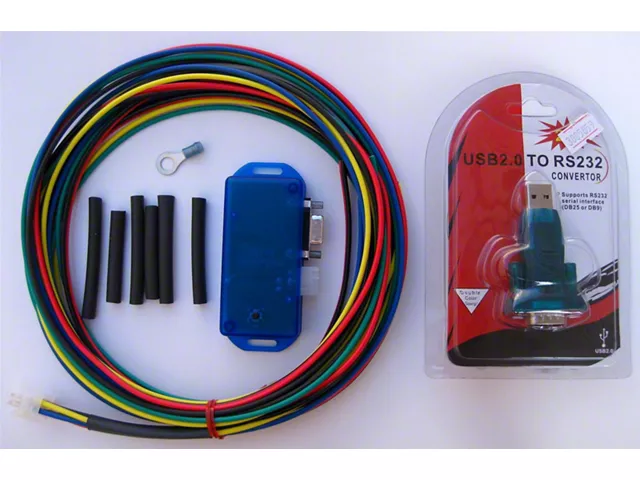
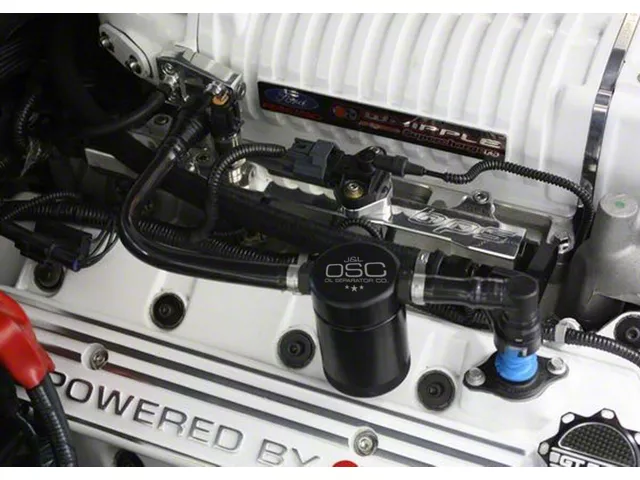
Installing an oil separator or catch can helps prevent sludge from reaching the CMCV plates in the first place. If your valves are already sticking, you have two paths: replace the CMCV assembly with new OEM-style parts, or delete the system entirely with charge motion delete plates.
What Are Charge Motion Delete Plates?
Charge motion delete plates (CMDPs) are machined aluminum or steel plates that replace the factory CMCV assembly. Unlike the stock plates, delete plates have no butterfly valves — they are solid, open-port plates that eliminate the restriction entirely. Quality delete plates are also port-matched to align precisely with the intake manifold and cylinder head ports, ensuring smooth, uninterrupted airflow through the entire intake tract.
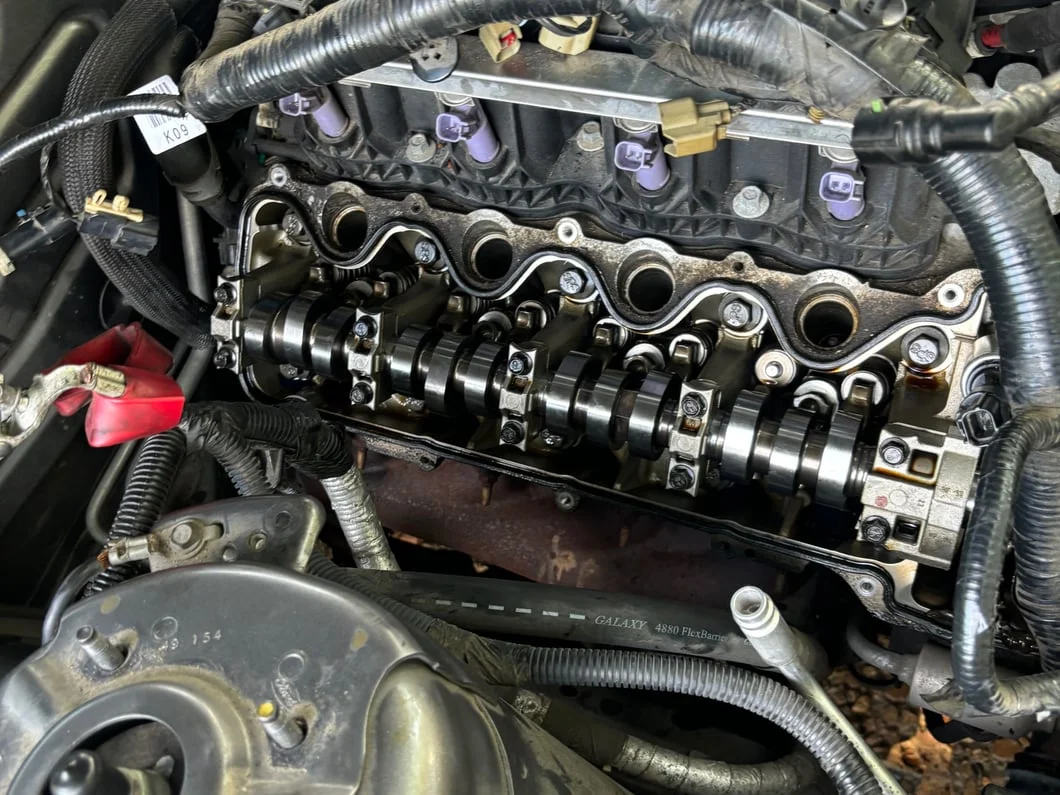
Installation is straightforward on the 2005-2008 Mustang GT. The stock CMCV plates unbolt from the intake manifold, the actuator motor and wiring are disconnected, and the delete plates bolt into the same location. The job typically takes 1-2 hours with basic hand tools. Quality aftermarket delete plates are available in port-matched designs sized specifically for the 3V intake manifold and cylinder head geometry.
Because the delete plates remove the butterfly valves completely, the intake runners flow at full volume at all times. There is no restriction at low RPM and no moving parts to fail or stick. That simplicity is a big part of the appeal — you eliminate an entire failure-prone system from your engine.
How Much Horsepower Do Charge Motion Delete Plates Add?
Charge motion delete plates typically add 5-10 horsepower and a similar torque increase on a naturally aspirated 4.6L 3V Mustang GT. When combined with aftermarket camshafts and a proper tune, gains can reach 15-20 horsepower at the wheels. The gains come from removing the airflow restriction in the intake ports, which lets the engine breathe more efficiently across the entire RPM range.
It is important to set realistic expectations. On a completely stock engine, a CMCV delete is not a dramatic power adder — the butterfly plates are already open at wide-open throttle, so peak power gains are modest. Where you will notice the biggest difference is in the mid-range, roughly 2,500-4,500 RPM, where the now-unrestricted runners deliver a smoother, more linear power curve. Throttle response also improves because there is no transition point where the plates swing open.
The real value of delete plates shows up when they are part of a broader bolt-on combination. Pair them with aftermarket cams, a cold air intake, and a custom tune, and each modification complements the others. The delete plates ensure the intake manifold is not the bottleneck in that combination. For boosted applications, the gains are less about horsepower numbers and more about safety — removing the plates that could shatter under boost pressure.
Who Should Install Charge Motion Delete Plates?
Naturally Aspirated Builds
If you are building a naturally aspirated 3V Mustang and have already installed or are planning aftermarket camshafts, a CMCV delete should be on your short list. The delete plates ensure your engine can inhale all the air those cams are designed to move, and the combination produces a noticeably stronger mid-range pull. Paired with cylinder heads and valvetrain components, you are getting the most out of the stock intake manifold.
For a stock daily driver that will never see other modifications, CMCVs are doing their job as designed. The fuel economy and idle quality benefits are real, and the 5-10 horsepower you leave on the table is rarely noticeable in everyday driving. If your CMCVs are healthy and your check engine light is off, there is no urgent reason to delete them on a completely stock car.
Supercharged and Turbocharged Builds
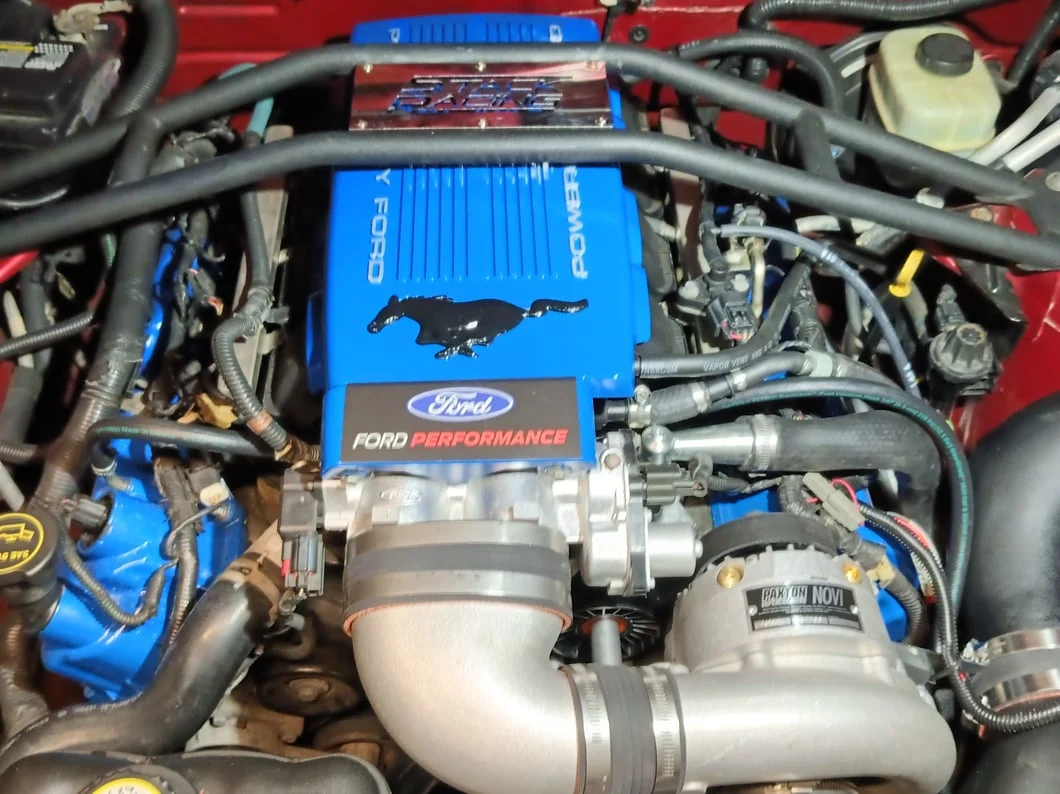
If you are running a centrifugal supercharger kit or turbo setup that reuses the factory intake manifold, deleting the CMCVs is not optional — it is a safety requirement. Under boost, the added airflow and pressure can overwhelm the butterfly plates. If a plate fractures and a piece enters a cylinder, you are looking at bent valves, scored cylinder walls, and potentially a destroyed engine. That is an expensive lesson to learn over a part that costs well under $200. Note that positive-displacement superchargers (like a Roush or Whipple kit) replace the factory intake manifold entirely, so CMCV delete plates are not needed and will not fit those setups.
Do You Need a Tune After Deleting CMCVs?
Yes, a custom tune is required after installing charge motion delete plates. The tune disables the CMCV control parameters in the PCM and recalibrates airflow tables so the engine runs correctly with unrestricted intake runners. Without the tune, the PCM will still try to command the (now-missing) butterfly plates, which can set check engine lights and cause the engine to run poorly.
Specifically, the tune adjusts the mass airflow calibration to account for the increased airflow at low RPM, disables the CMCV actuator commands, and clears any related diagnostic monitors so you do not get false fault codes. A quality tune will also optimize the fuel and spark maps to take full advantage of the unrestricted airflow, which is where most of your power gains actually come from.
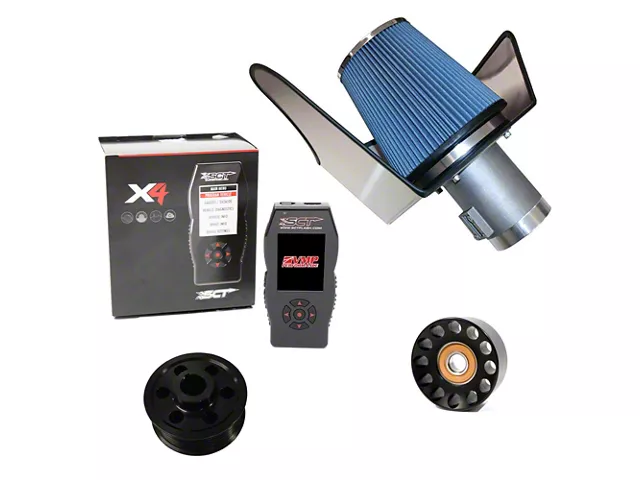
If you do not already own a handheld tuner, many enthusiasts bundle their delete plates with a cold air intake and tuner kit to get the most value from a single tune session. Check out our breakdown of Mustang tuner options to find the right device for your goals and budget.
05-08 vs. 09-10 Mustang GT: CMCV Differences
The 2005-2008 Mustang GT uses a CMCV design where the plates are bolted into the intake manifold as separate, removable assemblies. That means you can unbolt the stock plates and bolt in delete plates without modifying the manifold itself. It is a clean, reversible swap that takes basic hand tools and a couple of hours.
The 2009-2010 Mustang GT is a different story. Ford integrated the charge motion control valves directly into the intake manifold casting for those model years. The butterfly plates and shafts are part of the manifold structure and cannot be removed or replaced with delete plates. If you own an 09-10 GT and want to delete your CMCVs, you will need to purchase a 2005-2008 intake manifold, install it in place of your stock 09-10 manifold, and then bolt in the delete plates. It is a bigger job, but it is the only path to a true CMCV delete on those later cars.
This distinction also matters when you are shopping for parts. Delete plates marketed for the 2005-2008 Mustang GT will not work on the 09-10 manifold — they are designed for the bolt-on CMCV housing that only the earlier cars use. Always confirm your model year and manifold type before ordering.
Practical Takeaways
![]() Diagnose first. If your 3V Mustang has a rough idle, hesitation, or a check engine light with codes P2004 through P2007, inspect the charge motion control valves for oil sludge buildup before assuming a bigger problem.
Diagnose first. If your 3V Mustang has a rough idle, hesitation, or a check engine light with codes P2004 through P2007, inspect the charge motion control valves for oil sludge buildup before assuming a bigger problem.- Install a catch can early. An oil separator or catch can keeps PCV blow-by from coating your CMCV shafts — prevention is cheaper than replacement.
- Stock daily drivers can skip the delete. If your CMCVs are healthy and you have no plans to add camshafts or forced induction, the fuel economy and idle benefits outweigh the modest 5-10 HP you leave on the table.
- Modified builds should delete. If you are running aftermarket cams, a cold air intake, or any centrifugal supercharger or turbo kit on the stock manifold, delete plates remove a restriction and eliminate a potential engine-damaging failure point.
- Always tune after deleting. A custom tune is not optional — it disables CMCV commands in the PCM and recalibrates airflow tables so your engine runs correctly with unrestricted runners.
- Confirm your model year. Delete plates fit the 2005-2008 Mustang GT only. The 2009-2010 GT requires an 05-08 intake manifold swap before you can install them.
Conclusion
Charge motion control valves are a smart engineering solution on a stock 3V Mustang, but they become a liability as soon as you start modifying. Whether you are chasing a rough idle caused by sticky valves or clearing the intake path for a cam-and-tune combination, understanding how the CMCV system works puts you in control of the decision. For 2005-2008 Mustang GT owners, the delete is straightforward, affordable, and one of the most efficient ways to get the most out of the stock intake manifold.
Whether you are replacing worn-out charge motion control valves or deleting them as part of a performance build, the 3V intake system has plenty of room for improvement. Explore our intake upgrade guide for a complete look at what is available for your Mustang, or browse our best acceleration modifications to see where CMDPs fit in a full bolt-on combination.
Frequently Asked Questions About Charge Motion Control Valves
Below are the most common questions Mustang owners ask about CMCVs, delete plates, and the 3V intake system.
What Is a Charge Motion Control Valve?
A charge motion control valve (CMCV) is a butterfly-style plate mounted inside the intake manifold of Ford's 3-valve V8 engines. It restricts airflow at low RPM to increase air velocity and improve fuel mixing, which boosts fuel economy and reduces emissions. The PCM opens the valves at higher RPM so the engine can breathe freely for maximum power.
What Is a CMCV Delete?
A CMCV delete involves replacing the factory charge motion control valve assembly with machined delete plates that have no butterfly valves. This removes the airflow restriction in the intake runners permanently. A custom tune is required after installation to disable the CMCV parameters in the PCM and recalibrate the engine's airflow tables.
Are Charge Motion Delete Plates Worth It?
For modified 2005-2008 Mustang GTs with aftermarket camshafts or forced induction, delete plates are a worthwhile and often essential upgrade. On a completely stock daily driver, the 5-10 horsepower gain is modest and you lose the low-RPM fuel economy benefits. Delete plates deliver the most value as part of a broader bolt-on combination with a proper tune.
How Much Horsepower Do Charge Motion Delete Plates Add?
Charge motion delete plates typically add 5-10 horsepower and similar torque on a naturally aspirated 4.6L 3V engine. When paired with aftermarket camshafts and a custom tune, total gains from the combination can reach 15-20 horsepower at the wheels. The biggest improvement is in mid-range throttle response rather than peak power.
What Are the Symptoms of Failing CMCVs?
Common symptoms include rough idle, hesitation under light-throttle acceleration, reduced engine power, and check engine light codes P2004, P2005, P2006, or P2007. These codes indicate intake manifold runner control faults. The most frequent cause is oil sludge buildup on the valve shafts from PCV blow-by gases, which prevents the plates from rotating freely.
Do You Need a Tune After Installing Delete Plates?
Yes, a custom tune is required. The tune disables CMCV actuator commands in the PCM, recalibrates mass airflow tables for the increased low-RPM airflow, and clears related diagnostic monitors to prevent false fault codes. Without the tune, your Mustang may idle poorly, set check engine lights, and make less power than it should.
Can You Delete CMCVs on a 2009-2010 Mustang GT?
Not directly. The 2009-2010 Mustang GT has charge motion control valves integrated into the intake manifold casting, so they cannot be unbolted and replaced. To delete CMCVs on an 09-10 GT, you need to swap to a 2005-2008 intake manifold first, then install the delete plates on that earlier manifold.
Do Mustangs Have an EGR Valve?
The 2005-2008 Mustang GT does not use a traditional external EGR valve. Ford relies on variable valve timing and the charge motion control valve system to manage exhaust gas recirculation duties and emissions control on the 3-valve 4.6L engine. The CMCV system handles the low-RPM combustion efficiency role that an EGR valve fills on older designs.